28 Day 200 hour Hatha Vinyasa Yogic Psychology & Prenatal Yoga Teacher Training in Rishikesh, India

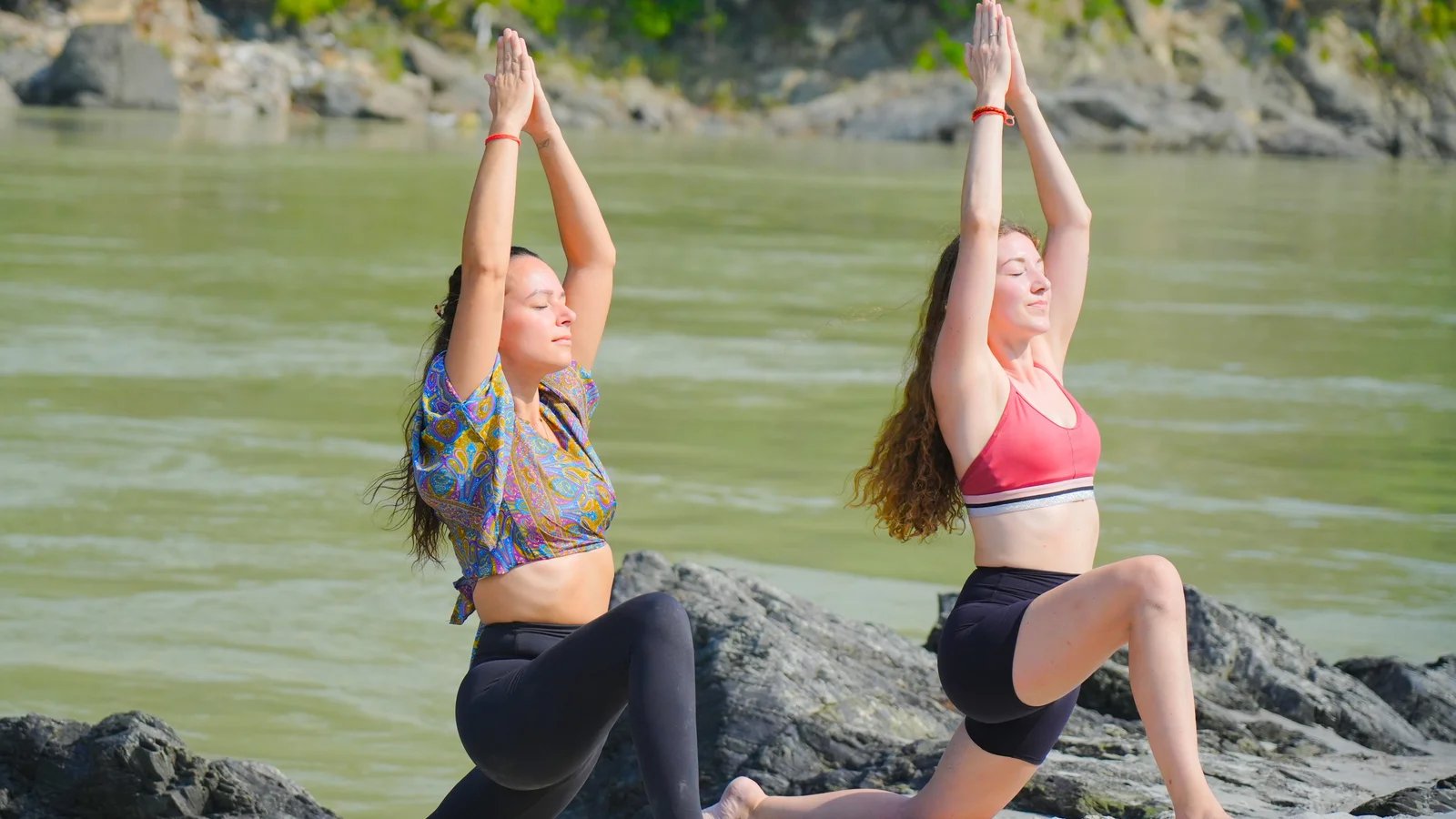
"India Yoga Teacher Training Course"
Program Overview
Gurukul Yogashala, a traditional yoga School in India, brings together yoga enthusiasts from around the world and offers a 200-hour yoga teacher training course (YTTC) in basic yogic knowledge, followed by an 85-hour prenatal YTTC. After completing the program, students will earn the YTTC certification.
Meet the instructors

Yogi Arvind
Read moreHighlights
- Registration with Yoga Alliance possible after completion
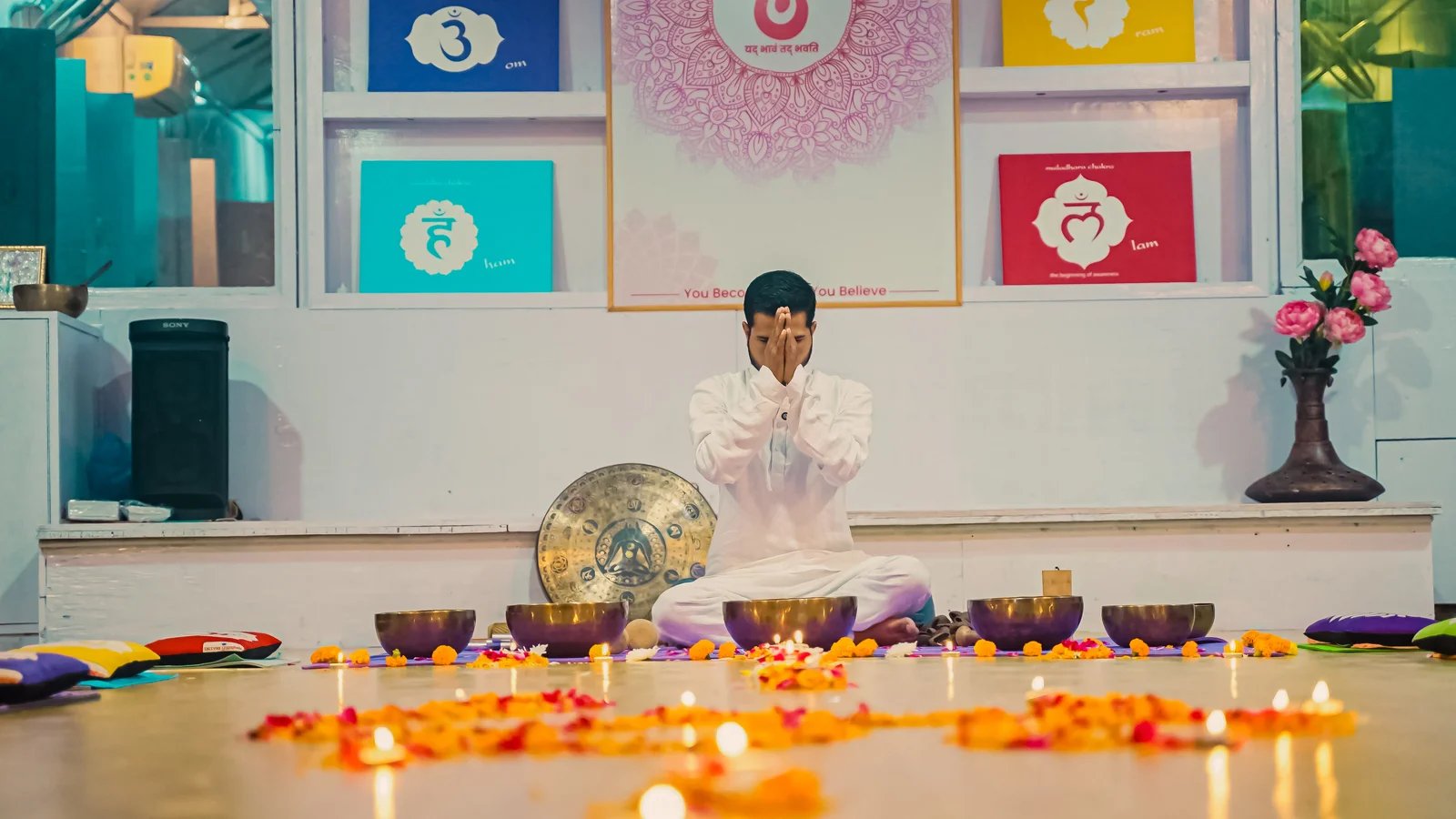
- Sound therapy / emotional therapy / Reiki therapy
- Ayurveda massage therapy / naturopathy therapy / Marma therapy
- Daily asana, pranayama, japa, meditation, and yoga Nidra sessions
- Daily yoga philosophy, yoga physiology, and yoga alignment classes
- Pre-natal and post-natal training included
- 27 nights accommodation at the ashram
- 3 delicious and nutritious vegetarian / vegan meals provided each day
At a glance
Yoga styles
Check-in Time: 11:00
Check-out Time: 11:00
Facilities
Gurukul Yogashala has simple yet comfortable ashram-based accommodations, which are tailored to meet the needs of yoga students and include private and shared rooms:
Certification
Students who successfully finish the course will become eligible to apply for Yoga Alliance registration as Registered Yoga Teachers (RYT).
Apart from the regular 200-hour certification, an 85-hour Registered Prenatal Yoga Teacher (RPYT) certificate will also be awarded to the students.
200-hour YTTC in Hatha, Ashtanga, Vinyasa
Students will understand all forms of yoga lessons, such as Hatha yoga, Ashtanga yoga, and Vinyasa flow, as well as learn Kundalini yoga, yogic philosophy, anatomy, and physiology. They will also learn about yoga alignment and various other things in relation to the subject. One can join the course and meet people sharing a common interest in yoga from other parts of the globe.
More about the yoga ashram in India - Gurukul Yoga Masters
Gurukul Yoga Masters is a renowned yoga school located in Rishikesh and provides Yoga Alliance-recognized training as well as yoga retreats. For instance, 100-hour, 200-hour, 300-hour, and 500-hour YTTCs are offered for students of different skill levels, along with various short courses like, for example, 85-hour prenatal course, 50-hour Yin YTTC, Aerial YTTC, Ayurveda training, sound healing therapy training, and others.
In the spirit of Gurukul Pratha, Gurukul Yogashala follows the traditional guru-shishya method of learning. The ancient Indian educational practice refers to the process of living, learning, and growing with the help of wise teachers. As an age-old system, this practice traces its roots to ancient Vedic texts, including the Upanishads. This approach creates a conducive environment for personal and spiritual growth for the students.
At Gurukul Yogashala, they respect the tradition while still modernizing the traditional method of yoga education. Through the supportive community, authentic teachings, and holistic approach, they offer students an opportunity to be a part of the Gurukul family.
About the 200-hour YTTC and prenatal and post-natal training certification
Begin your yogic journey at Gurukul Yogashala, Rishikesh, by joining their 200-hour YTTC program along with the 85-hour (RPYT) prenatal teacher training certification. The program caters to novices and intermediate practitioners wanting to practice yoga within the auspices of tradition and support.
Gurukul Yogashala is the only place in India delivering dual certification education that offers the 200-hour YTTC (Yoga Alliance RYT®) and the RPYT program. This will give you complete assurance of being able to become a yoga and pregnancy yoga teacher anywhere in the world.
Your stay at the ashram is going to help you grow personally, achieve the transformation in respect of the purpose of your life, and make new friends while getting your education in yoga and holistic healing along with other like-minded individuals.
Course schedule and important dates
200-hour yoga course dates
- Official arrival date: 2nd of every month
- Welcome ceremony and orientation: 3rd of every month
- Course ends: 22nd of every month
- Certification: 23rd of every month
Transition night (23rd & 24th of the month)
This nights is included in the course price at no extra cost, covering the transition between the 200-hour course and the prenatal and post-natal course.
Prenatal and postnatal course dates
- Course starts: 25th of every month
- Course ends: 29th of every month
- Certification and departure: 30th of every month
Note: Certification will be done in the morning, and you can depart post-lunch.
Why this program is unique and how it benefits you:
Gurukul Yogashala is the first and only school in India providing double certification by offering both 200-hour YTTC (Yoga Alliance RYT®) as well as RPYT prenatal and post-natal teacher training certificate.
- Economical and efficient: Attending two courses at once with a short course duration would help you save at least 300 USD more than doing the individual bookings.
- Unique course features: The course will provide an opportunity to learn the deep meaning of pregnancy yoga based on the Garbhopanishad, complemented by the traditional 200-hour YTTC.
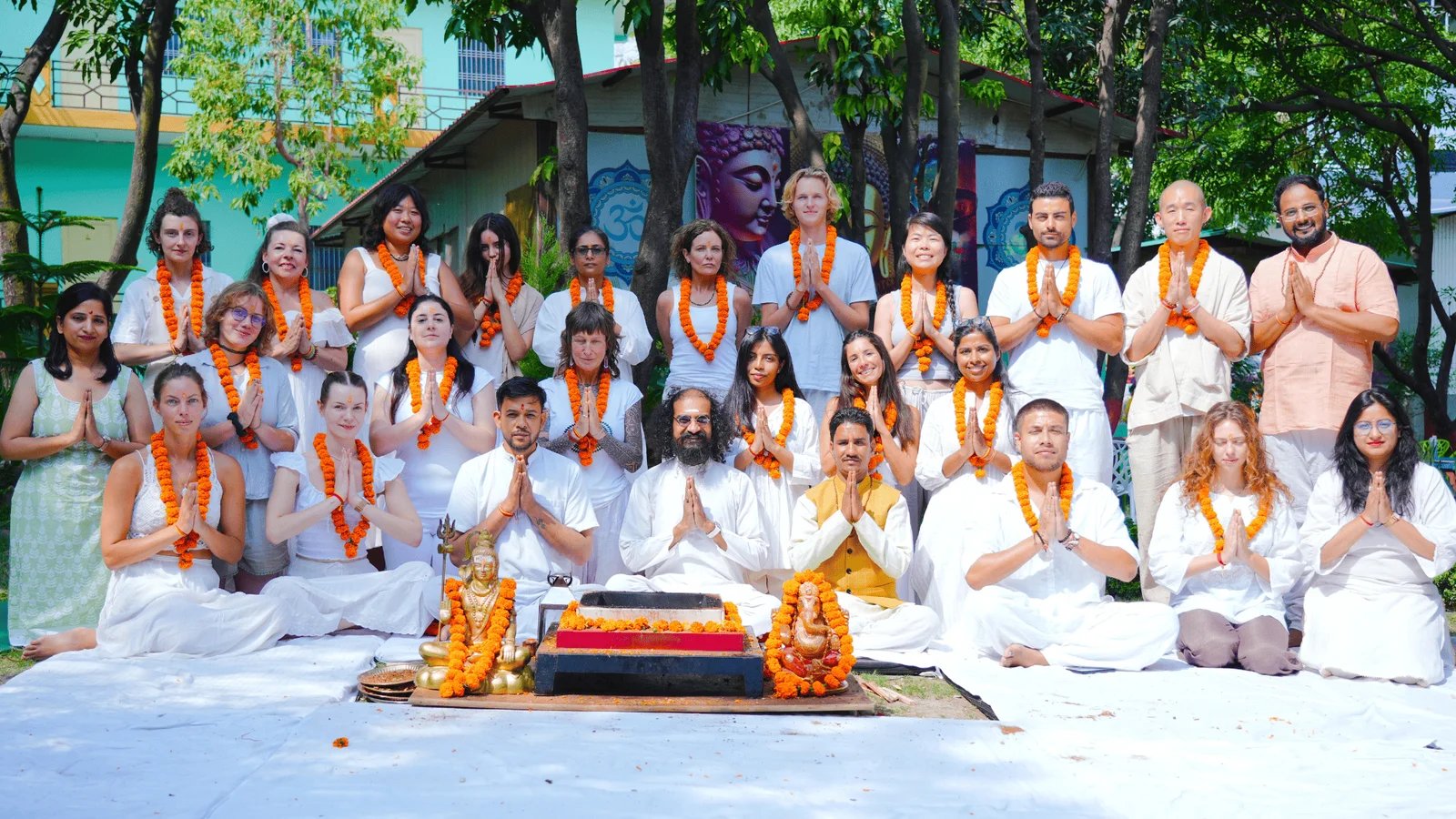
- Traditional welcome: Enjoy a welcome fire / hawan ceremony by meeting students from around the globe.
- Extensive yoga education: You will cover Hatha yoga, Ashtanga, Vinyasa flow, functional anatomy, alignment, and adjustment during your training.
- Holistic knowledge: You will learn the philosophical basis of yoga, Kundalini, and Ayurveda that promotes a healthy life balance.
- Practical teaching experience: You will learn how to be a confident teacher through applied education methods of teaching, preparing classes, and practicing teaching.
- Personal health development: You can keep your body, mind, and spirit fit through different yoga techniques like pranayama, meditation, awareness, and concentration.
- Learning flexibility: The training is perfect for both beginners and experienced yogis.
- Lifestyle transformation: Experience discipline, self-awareness, and holistic living through daily routines, vegetarian meals, and yoga practices.
- Career advantage: Stand out as a teacher with in-depth traditional knowledge, modern yoga techniques, and sound healing expertise.
- Global community and lifelong connections: Become part of the Gurukul Yogashala family, making friends and networking with fellow graduates worldwide.
Who can join this affordable YTTC?
This program is intended for anyone wishing to improve their yoga practice, embark on a teaching career, or achieve true health. No experience is necessary to join this program.
This program is for anyone who:
- Wants to be an RYT®: Learn to become a registered Yoga Alliance teacher and teach yoga around the world.
- Wants to adopt a yoga lifestyle: Learn how to live your life using yoga, mindfulness, and Ayurveda.
- Wants to enhance personal practice: Experience classical Hatha, Ashtanga, Vinyasa, and prenatal and post-natal yoga for deep personal growth.
- Wants to become a better teacher: Learn how to align, adjust, and sequence your classes effectively.
- Wants to achieve overall wellness: Learn yoga philosophy, yoga physiology, and energy systems to achieve harmony and well-being of mind, body, and soul.
200-hour YTTC detailed curriculum
Hatha yoga
Hatha yoga is one of the most ancient branches of yoga, with a history dating back over a thousand years. Sessions in a Hatha YTTC are rooted in ancient practices that will evolve your consciousness to a higher understanding.
What will you gain?
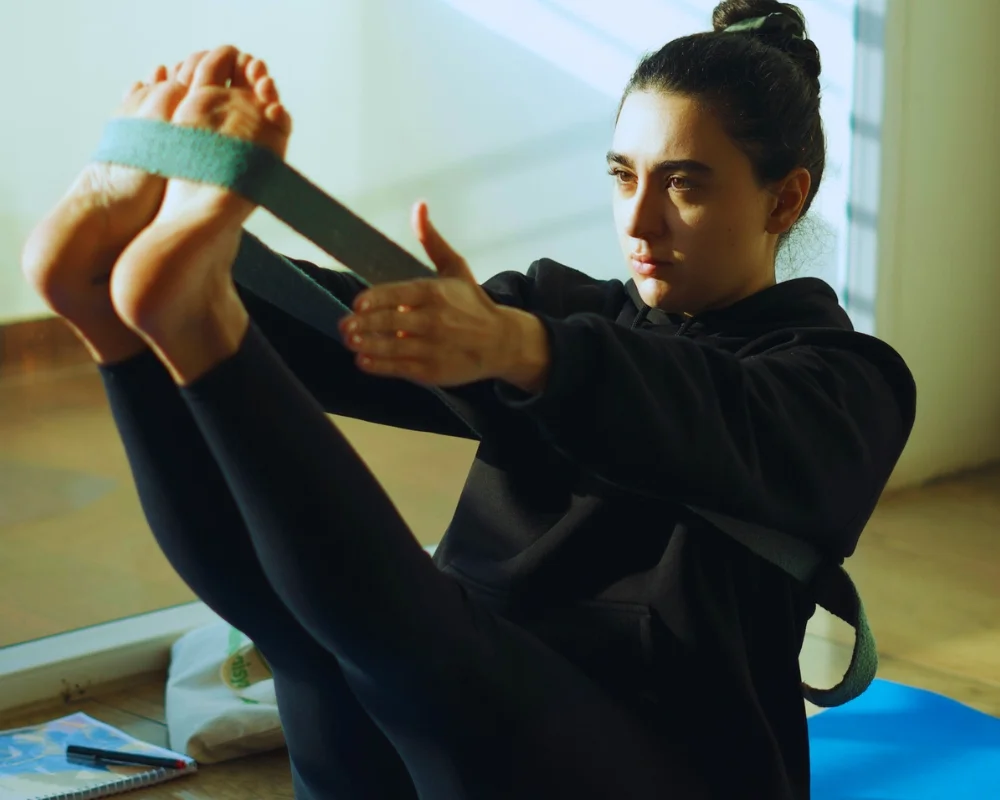
- Learn different variations and modifications of the asanas according to different flexibilities.
- Learn the English names and Sanskrit names of the asanas.
- Learn the right alignment during the class and hands-on adjustments for beginner and advanced students.
- Use props (belt, bolster, pillow, wall, block) as supporting agents.
- Establish creative and challenging classes using the right voice and words.
- Asana knowledge in traditional, therapeutic, and healing contexts
- Important contraindications and necessary modifications in relation to modern problems (hyperthyroidism, diabetes, hypertension, arthritis, and so on)
Hatha yoga sequence
- Surya and Chandra Namaskar - Sun and moon salutations
- Pawanmuktasana series - Joint mobility
- Standing, sitting, and kneeling asanas - Strength, stability, and flexibility
- Prone and supine asanas - Back strength, spinal release, and core work
- Forward, backward, and twisting asanas - Spinal flexibility and detoxification
- Balancing and inverted asanas - Core stability, concentration, and circulation
- Counter poses - Alignment and safety
Mysore-style Ashtanga
K. Pattabhi Jois developed a modern-day form called Ashtanga Vinyasa in the mid-20th century, an energetic practice of mindful movements with breath awareness. In a 200-hour YTTC, the primary series of Mysore-style Ashtanga will be taught in a systematic manner to help you achieve your goal.
What will you gain?
- Role of drishti in every asana
- Synchronizing breath with asanas
- Doing bandhas in asanas
- Transitioning to self-practice
- Contraindications of postures
- Learn English and Sanskrit names
- Learn the right adjustments during the asana class
- Learning how to teach Ashtanga yoga primary series
Mysore-style Ashtanga sequence
- Ashtanga Surya Namaskar - A, B, C
- Ashtanga standing poses - Forward bend, side stretch, leg stretch, balance
- Ashtanga beginner strength poses - Arm and leg strength, twisting, core strength
- Ashtanga finishing poses - Backbend, upside down, cooling pose
Vinyasa flow
Vinyasa flow has movement sequences with focus on the breath. Vinyasa flow is all about the deep inhale and exhale of your breath as you move from one posture to the other.
What will you learn?
- How Vinyasa yoga will decrease stress, anxiety, and depression
- Increase in energy and improved cardiovascular conditioning
- How the Vinyasa flow will burn calories faster
- Combining proper breathing with the flow
Vinyasa yoga sequence
- Vinyasa Surya Namaskar - Traditional sun salutation variations (Classical A and B flow)
- Vinyasa standing asana flow - Forward bend sequence, lateral stretch flow, hip opening flow, balance postures
- Vinyasa strength-building flow - Core activation, dynamic twisting sequence, Arm and leg strengthening transitions
- Vinyasa closing sequence - Gentle backbends, inversions, or preparations, cooling and restorative asanas
Pranayama
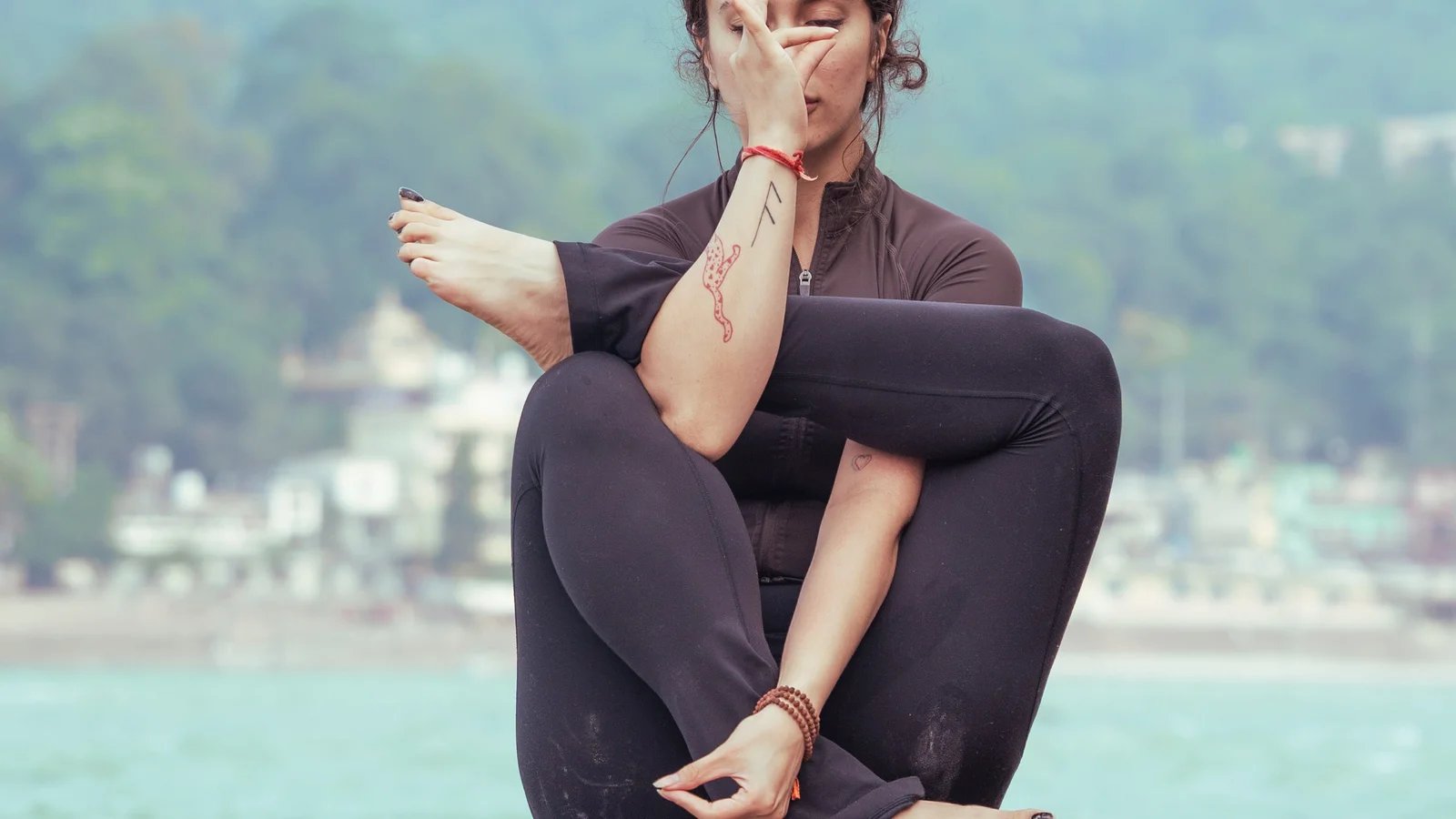
Pranayama is the practice of rhythmic breathing to purify the body, provide oxygen, and enhance mind-body connection. It promotes calmness, focus, and concentration. This course teaches various breathing techniques, locks, and mudras for effective practice.
What will you learn?
- Introduction, importance, and benefits of pranayama
- Preparing yourself for practice and sitting postures
- Nostril activation for effective practice
- Functions, levels, and balancing of pranas; breath retention
- Breathing techniques, prana flow, and connection with chakras
- Beginner and intermediate practices integrated with meditative postures
Different types of pranayama
- Nadi shodhana pranayama
- Surya Bhedi Pranayama
- Chandra bhedi pranayama
- Ujjayi pranayama
- Bhastrika pranayama
- Bhramari pranayama
- Sheetali pranayama
- Sheetkari pranayama
- Kapalbhati Pranayama
Mudras
Mudras are the divine gestures that channel and distribute prana in the body. Most of the mudras are performed by hand. Practitioners can have immense benefits from mudras if they are performed in the right manner under the guidance of an expert.
What will you learn?
- The secret of mudras
- The position of different elements in your hands
- The importance and advantages of mudras - Practice of different mudras
- Jnana mudra
- Chin mudra
- Dhyana mudra
- Yoni mudra
- Bhairava mudra
- Vairagya mudra (dispassion)
- Vayu mudra (air)
- Pran mudra (prana)
- Prithvi mudra (earth)
- Surya mudra (sun)
- Varun mudra (god of water)
- Agani mudra
Bandhas
While doing yoga, your body will generate a lot of energy or prana. With mudra, channel this energy, and with bandhas, control and maintain it in the body to prevent it from draining. When done right, the bandhas can also help awaken the Kundalini.
What will you learn?
- Meaning of bandhas and their importance
- Draining of pranas and how to retain them
- Understanding the chakras and the role of bandhas
- Benefits and precautions during the practices
Practices (for beginners and intermediate level)
- Mula bandha
- Uddiyana bandha
- Jalandhara bandha
- Maha bandha
- Agnisar (for uddiyana preparation)
- Bahir kumbhaka (external retention)
- Antar kumbhaka (internal retention)
Shatkarma or yogic cleansing
Shatkarma is a series of six types of cleansing activities that help with physical, emotional, mental, and spiritual cleansing. Cleansing your body is a fundamental step toward working on your yoga journey.
What will you learn?
- What shatkarma is, along with its benefits and precautions
- Who should practice it and who should avoid it
- Preparation steps and post-practice guidelines
List of shatkarma practices:
- Jal neti kriya
- Sutra neti kriya
- Netra neti kriya
- Kapalbhati kriya
- Kunjal kriya
Meditation
Yoga asanas make the body stable, and pranayama soothes the nervous system, thus preparing the flow of prana to be channelized effectively and making it easier for the mind to focus. Practicing pratyahara, or the control of the senses, further facilitates control of the mind, which is the preparation for meditation.
What will you learn?
- Introduction to dharana, dhyana, and samadhi
- History and philosophy of meditation
- Preparation, aim, and objective of meditation
- What meditation is and what it’s not
- Meditation traditions
- Correct sitting posture and role of diaphragmatic breathing
- Correct breathing during meditation
- Meditation practice
Different types of meditation practices
- Om meditation
- Japa / ajapa meditation
- Mantra meditation
- Trataka meditation
- Chakra meditation
- Guided meditation
- Mindfulness meditation
- Breath awareness meditation
- Loving-kindness meditation
- Inner silence meditation
- Progressive muscle relaxation meditation
- Emotional awareness meditation
Yoga Nidra - Psychic sleep
Yoga Nidra (psychic sleep) is sleeping in awareness in such a way that will take you from a conscious state to a superconscious state of awareness.
What will you learn?
- Meaning, basics, purpose, and Tantric origin of yoga Nidra
- Various schools, traditions, lifestyle guidelines, and practitioner rules
- Benefits and precautions
- Difference between meditation and yoga Nidra
- Yoga Nidra experience and healing applications
- 3-body awareness, four states of consciousness, and stages of yoga Nidra
Mantra
Mantra meditation employs the power of chanting to align mind, body, and spirit, expanding awareness and facilitating inner and outer healing.
What will you learn?
- What is a mantra - Understanding its meaning, significance in life, and the process of personal mantra initiation
- Healing of the body with mantras
- Use of mala in mantra recitation
- How will mantra help you in your life?
List of mantra chanting
- Ganesh mantra
- Gayatri mantra
- Shanti mantra
- Mahamrityunjaya mantra
- Guru Brahma mantra
- Dhyana mulam mantra
- Om purnamadhah
- Krishna mantra
- Shiv mantra
- Narayana mantra
- Ram mantra
Yoga history and philosophy
Understanding the history and philosophy of yoga will not only help you to grasp the deep meaning that yoga has in one's life, but will also help you to integrate the philosophy into your life. Various ancient philosophies will be introduced to you, like the Bhagwat Geeta, Hatha Yoga Pradipika, Patanjali Yoga Sutra, and much more.
What will you learn?
- Introduction to yoga philosophy (yog darshan) and its evolution
- Introduction to Patanjali Yoga Sutras
- Nadis (ida, pingala, and sushumna)
- Introduction to Hatha Yoga Pradipika
- 8 limbs of Ashtanga yoga
- Panchavayus, panchakoshas
- Sattva, rajas, and tamas (trigunas)
- 4 padas of yoga sutras
- Life stories of yogis (Inspiring stories)
- Introduction to chakras - energy centres of the body and Kundalini
- Introduction to Vedas
Kundalini philosophy
Kundalini yoga is practiced to activate the Kundalini energy, which sits at the base of the spine. Kundalini awakening is called the ultimate form of yoga sadhana that is attained after steadily mastering the previous layers of yoga sadhana. This comprehensive training is based on the ancient philosophies of tantras and Kriya yoga.
The term Kundalini comes from the Sanskrit word "kundal," which means circular or the coiled snake at the base of the spine.
During the 200-hour YTTC, you will have a comprehensive introduction to Kundalini yoga, which will help you understand what the subject entails and how to move ahead in the future regarding an in-depth understanding of this vast subject, Kundalini yoga.
What will you learn about Kundalini yoga practices during the training?
- Introduction, definition, core principles, unique features, aims, and historical evolution of Kundalini yoga
- Recognizing energetic blocks / flow and traditional methods to balance, activate, and harmonize the subtle body
- Understanding various meditative practices for different chakras and their role in spiritual awakening
Yogic lifestyle
Yoga is not only a set of postures to keep you fit, but also a holistic lifestyle and philosophy that enhances one's mind, body, and soul. A yogi's lifestyle opens doors for every individual to the highest form of knowledge.
What will you learn?
- Understanding what a yogic lifestyle is, who a yogi is, and why a healthy lifestyle matters
- Importance of a yogic lifestyle, including vegetarian / vegan diet and basics of the yogic diet
- Daily routines: Morning-evening practices, sleep cycle, and preparation for restful sleep
- Living with awareness: Behavior toward others and following yamas and niyamas
Ayurveda workshop
Ayurveda is the ancient Indian science of holistic healing that nurtures balance of the body, mind, and spirit. Through traditional Ayurvedic practices, the body is purified and harmonized by balancing the three doshas - vata, pitta, and kapha - supporting natural health and inner well-being.
What will you learn?
- Introduction to Ayurveda and definition
- Meaning and importance of dincharya - Daily routine activities according to Ayurveda
- Introduction to tridoshas - vatta, pitta, and kapha
- Understanding the concept of sapta dhatu - 7 body tissues
- Understanding the concept of ama - Toxins in the body
- Learning the meaning of ojas - Immunity
- Learning about seasonal regimes
- What are the six different tastes?
Applied Ayurveda
Applied Ayurveda focuses on bringing ancient Ayurvedic wisdom into daily life. By understanding and practicing these principles, one learns how to live a balanced, healthy, and harmonious life in alignment with nature.
What you will learn to do:
- Prepare Ayurvedic detox teas, including liver detox, tulsi, and herbal infusions
- Create natural Ayurvedic face and hair masks
- Practice Ayurvedic gardening and understand medicinal plants
- Learn the basics of basti therapy
- Detoxify the body using traditional Ayurvedic cleansing methods
- Perform abhyanga (self-massage) with Ayurvedic oils for relaxation and vitality
Functional anatomy
Anatomy is an essential subject for ensuring a safe, effective, and personalized yoga practice, empowering newly certified yoga teachers with the skills needed to guide students safely and effectively.
What will you learn?
- Anatomy foundations and movement basics: Understand the role of anatomy in yoga, basic bones and joints, movement terms, flexibility vs. mobility, and injury prevention essentials.
- Spine, core, and breathing anatomy: Learn spine structure, core muscles, pelvic awareness, diaphragm mechanics, and the connection of breath to the nervous system.
- Upper and lower body anatomy: Focus on shoulder, elbow, wrist, hip, knee, and foot alignment to support safe and effective movement.
- Asana biomechanics and functional movement: Explore anatomy in forward bends, backbends, twists, side bends, balance mechanics, and fascia / connective tissue in movement.
- Energetics and safe alignment in yoga: Study bandhas, parasympathetic activation, common yoga injuries, and safe alignment for diverse body types.
Alignment and adjustment
Learn posture alignment in accordance with Iyengar yoga. Expert teachers of Gurukul Yogashala will help in understanding how to align yourself while you are doing self-practice, and will also help you understand how to align others in your class as a yoga teacher.
What will you learn?
- Why is it important to align your own body during the asana practice?
- Alignment and precision in the practice of asanas
- Use of props such as blocks, straps, and blankets for correct alignment according to Iyengar yoga
- The right alignment in various asanas: standing, seated, backward / forward extensions, twisting, and inverted postures
- Understanding of the common mistakes, precautions, benefits, and modifications according to strength and flexibility
Teaching methodology
It is not enough to learn and practice yoga to be a great yoga teacher. Teaching yoga is an art since it can change lives, so a lot of preparation and skills go into it.
What will you learn?
- Blending traditional teaching methods with a modern outlook, prioritizing a holistic approach in teaching
- Crafting an engaging curriculum; connection and empathy during the sessions
- Efficiency in class management
- Safety and effectiveness
- Preparing yourself mentally and emotionally before teaching
- Keeping a positive attitude during and after the practice
- Developing step-by-step class structures
- Proper adjustments with and without yoga props
- Establishment of yogic personality
Teaching practice
There will be teaching practice done by all the participants of the batch in the presence of the teacher, which will help you in giving hands-on practical experience.
Prenatal and post-natal yoga teacher training detailed curriculum
What is prenatal yoga?
Prenatal yoga is specifically created for pregnant women, and it incorporates various forms of yoga that use gentle movements, breathing techniques, and meditation during each stage of pregnancy.
What is post-natal yoga?
After delivery, mothers can practice post-natal yoga, which is designed to help them recover physically and emotionally from childbirth. The weeks and months that follow delivery are times of constant physical healing and emotional changes. New mothers need to take care of themselves and their bodies, and postnatal yoga helps them do just that.
What are the benefits of doing prenatal and post-natal yoga?
- Gentle stretches and strengthening poses relieve the tension in the lower back.
- Breathwork and relaxation techniques calm the nervous system.
- Meditation and pranayama decrease cortisol levels and allow women to feel more in control of their emotions.
- Learning to use breathing techniques, practicing laboring positions, and doing hip-opening stretches will assist mothers in feeling more prepared.
- Targeting the muscles that support the uterus, bladder, and bowels through specific exercises will reduce complications.
- Meditative practices such as "welcoming baby" and "baby connection" develop a sense of emotional closeness to their child.
- Gentle post-natal yoga practices will help restore energy levels, reduce inflammation, and improve posture
What will you learn during the prenatal and post-natal YTTC?
Gentle Hatha yoga
Physical movement during each trimester of the pregnancy is very important. It not only helps in reducing any kind of physical discomfort as per the changes in the anatomy of the body, but also helps in energizing the pregnant woman.
What will you learn?
- Understanding the asanas for each trimester and also how to perform them with proper support and balance
- Learning the specific sequences for each trimester for building strength and flexibility
- Relaxation through gentle yoga and Restorative yoga for common challenges faced during pregnancy
- Learning the practices for the post-natal period for regaining strength and balance
Pranayama
Breathing properly during each trimester of pregnancy helps in calming the mind and connecting mother and her child.
What will you learn?
- Importance of breathing for each trimester
- Breathwork techniques for calming the mind
- Breathwork specifically for childbirth
- Practices to enhance lung capacity and oxygen flow
Meditation and yog Nidra
Connecting with the self and the child during each trimester of the pregnancy will not only increase the calm in the mother's mind and body, but also increase the bond between the mother and the child.
What will you learn?
- Importance of meditation for the mother and child's bond
- Importance of fetal talk during pregnancy
- Guided meditation for emotional balance and stress relief
- Relaxation techniques for strengthening the bond between mother and child
Garbha Sanskara - Sacred pregnancy education
Pregnancy is a sacred time in a woman's life. During the course, you will understand the traditional teachings of the Garbhopanishad and how to apply them in modern times.
What will you learn?
- Yogic and spiritual practices of nurturing the unborn child
- Role of positive thoughts, music, and mantras during the pregnancy
- Lifestyle guidance for a healthy and happy pregnancy
- Role of nutrition for a healthy pregnancy
- Yoga philosophy on pregnancy
- Relevance of traditional practices in modern times
- Role of Ayurveda in pregnancy
- Importance of post-natal care
Anatomy and physiology
A woman's body undergoes multiple changes during each trimester of the pregnancy. These changes not only have an impact physically, but also psychologically as well.
What will you learn?
- Anatomy and physiology of the reproductive system
- Understanding the changes in the anatomy and physiology during the prenatal period
- Learning about the changes post-delivery - post-natal
- Hormonal changes during each trimester of the pregnancy
- Psychotherapy during prenatal and post-delivery times
Alignment and adjustment
During the course, you will be learning about the importance of right alignment during the practices in the prenatal phase and what kind of safety measures need to be taken during the adjustment.
What will you learn?
- Importance of alignment and adjustment during each trimester of pregnancy
- Alignment principles to ensure safety and comfort
- Hands-on and verbal adjustments of the expectant mothers
Fertility in modern times
During the current modern technological times, it is important to understand fertility as an umbrella term so that it can be focused on from all parameters.
What will you learn?
- Exploring yogic and holistic approaches to support fertility and reproductive health
- Understanding the connection between stress, lifestyle, and conception
- Gentle asanas, pranayama, and relaxation practices to enhance reproductive vitality
- Understand the concept with discussions to integrate the theory into practice
Teaching practice
There will be teaching practice done by all the participants of the batch in the presence of the teacher, which will help you in giving hands-on practical experience.
Complementary sessions
Each participant will have an option to choose from the following one-to-one sessions. Kindly note that only one of the following sessions will be complementary. If you wish to have more than one, then you can connect with the team.
- Emotional healing consultancy and massage
- Ayurveda consultancy and massage
- Sound healing session
Group complementary sessions
Depending on the availability of the teachers, only one session from each of the following will be conducted in every batch:
Enriching add-on workshops:
- Ayurveda workshop
1 complementary healing group session
- Sound healing
- Emotional healing
- Chakra healing
1 complementary group session by the river
- AcroYoga
- Pranayama
- Meditation
Complementary active group sessions
- Bollywood dance session
- Body movement session
Complementary group art activities
Gurukul Yogashala offers hands-on experiences in traditional Indian arts such as mehendi (Indian tattoo), floral rangoli, and mandala art - perfect opportunities to connect, collaborate, and create meaningful memories together.
Sample daily schedule of 200-hour YTTC
- 06:00 - 07:30 Mysore-style Ashtanga yoga and Vinyasa flow
- 07:40 - 08:40 Pranayama / kriya / mudra / bandha
- 08:45 - 09:30 Breakfast
- 09:30 - 10:00 Mantra and kirtan
- 10:15 - 11:15 Functional anatomy
- 11:15 - 12:15 Alignment and adjustment
- 12:30 - 13:30 Lunch
- 13:30 - 14:30 Rest
- 14:30 - 15:30 Philosophy
- 15:30 - 16:00 Tea break
- 16:00 - 17:30 Hatha yoga workshop
- 17:45 - 18:45 Traditional and dynamic meditation
- 18:45 - 19:00 Yoga Nidra
- 19:15 - 20:00 Dinner
- 22:00 Lights out
Note: The schedule is subject to change based on weather, teacher availability, and ashram requirements.
Sample daily schedule of 85-hour Prental YTTC
- 06:00 - 07:30 Asana practice
- 07:30 - 08:30 Pranayama practice
- 08:30 - 09:00 Mantra chanting
- 09:30 - 10:30 Breakfast
- 11:15 - 12:45 Garbha Sanskara philosophy
- 13:00 - 14:00 Lunch
- 14:00 - 15:30 Rest
- 15:30 - 16:00 Tea break
- 16:00 - 17:30 Anatomy and alignment for prenatal and post-natal yoga
- 18:00 - 19:00 Meditation
- 19:15 - 20:15 Dinner
- 22:00 Lights out
Note: The schedule is subject to change, and the final schedule will be provided at the beginning of the course. Sunday will be a day off.
Excursions and cultural experiences
At Gurukul Yogashala, excursions will be an important part of your yoga journey. They will help you relax, recharge, and experience the spiritual and cultural beauty of Rishikesh beyond the classroom.
Ganga aarti and kirtan
Experience the peaceful Ganga aarti on the riverbank - a sacred ceremony that fills the heart with devotion. Join uplifting kirtan sessions where chanting and music create a joyful, spiritual atmosphere.
Temple visits
Explore ancient temples in Rishikesh and learn about their rich cultural and spiritual history. You will also visit a temple located 25 km away - either Kunjapuri Temple or Bal Kumari Temple - where you can witness one of the most beautiful sunrises in Rishikesh. This experience will help you connect deeply with the spiritual roots of yoga.
This Yoga Retreat is vegetarian-friendly
Cleansing and wholesome nutrition for your practiceNutrition is considered an integral part of the yogic learning at Gurukul Yogashala, where one employs a sattvic vegetarian style of cooking in accordance with Ayurveda. The kind of cooking used in the course is believed to be nourishing for the mind as well as easy on the digestive system, for the rigid programs followed by practitioners.
One can expect the kitchen to offer three freshly cooked vegetarian meals daily that would consist of rice, lentils (dal), chickpeas, seasonal vegetables, and Indian flatbreads along with fresh salads.
The kitchen operates on all vegetarian and vegan principles. It can provide gluten-free meals. It follows the principles of Ayurveda and other natural ways of cooking. It caters to lactose-free and fruitarian diets as per request.
Included in your course fee are breakfast, lunch, dinner, afternoon snacks, drinking water, and tea.
Students with allergies or special dietary needs are advised to inform Gurukul Yogashala during the course booking so that the kitchen can plan correctly.
The following meals are included:
- Breakfast
- Lunch
- Dinner
- Snacks
- Drinks
The following drinks are included:
- Water
- Tea
The following dietary requirement(s) are served and/or catered for:
- Vegetarian
- Vegan
- Gluten Free
- Organic
- Naturopathic
- Fruitarian
- Lactose Free
- Whole food
- Yogic
- Ayurvedic
If you have special dietary requirements it's a good idea to communicate it to the organizer when making a reservation.
Cultural excursion
Rishikesh is a hub of interesting activities, ranging from spiritual exploration to adventure and leisure. Below are some of your options:
Temples: Rishikesh is home to numerous temples, such as Triveni Ghat, Parmarth Niketan Temple, and Bharat Mandir.
Ganga aarti: Have an enriching experience by observing the amazing Ganga aarti ceremony on the banks of the River Ganga.
Adventure sports: Rishikesh is one of the few geographical locations in the world that provides the opportunity for adventure activities like white-water rafting, trekking, and ziplining.
Beatles Ashram: Visit the Beatles Ashram, once inhabited by the group.
Wildlife safari: Visit Rajaji National Park, which is not far away from Rishikesh, and enjoy the exotic scenery.
Camping: If you want to do something really adventurous, pitch a tent or stay in a cottage by the riverside.
Local markets: Visit local markets to buy handicrafts and jewellery.
Visit nearby towns: Visit nearby cities like Haridwar and Devprayag to learn more about the rich culture and history.
Participate in satsangs: Many ashrams conduct satsangs to provide spiritual teachings and promote spiritual growth.
Go hiking to see great views: Go for a hike to Kunjapuri Temple or Neer Garh Waterfall and be thrilled with awesome panoramas of the Himalayas.
Influence ecological approach: Do environmentally friendly activities and take part in a cleaning campaign to save the environment.
Enjoy local food in cafes and restaurants: Try various cuisines from around the world in various cafes and restaurants that serve vegetarian and vegan menus.
Cross the iconic suspension bridges: Make a visit to Laxman Jhula and Ram Jhula suspension bridges and enjoy their magnificent views.
Go hiking and trekking in the Himalayas: Explore local villages in the mighty Himalayas and see for yourself what they are famous for.
- 200-hour YTTC certificate (Yoga Alliance RYT®) and 85-hours RPYT Prenatal yoga certificate
- Complete course kit: Yoga bag, t-shirt, manual, notebook, pen, shatkarma kit, and japa mala
- Special departure gift and group photo to treasure your memories
- Hands-on workshops: Mehendi art, rangoli art, mandala art
- Connection with the yoga community through kirtan, cultural evenings, and yoga movie nights
- Family-operated school for a family environment and safety
- Ongoing support from Gurukul Yogashala before, during, and after your training
- Fully equipped practice space with yoga mats, blocks, straps, and bolsters
- 24-hour Wi-Fi access for convenience
- 27 nights accommodation in a serene, traditional ashram environment (including a complimentary one-night stay after your training)
- 3 wholesome vegetarian meals daily, plus afternoon tea and snacks
- Purified water and herbal teas throughout your stay
- Airfare - Travel expenses to and from India are your responsibility
- Visa and travel insurance - You will need to arrange your own visa and travel insurance for the duration of your stay.
- Transportation services - Local transport is not included, except for the complementary airport shuttle provided on the official arrival day
- Bank charges - A 5.5% processing fee applies when payments are made using a credit or debit card
- Personal care items - Towels, toilet paper, soap, and other daily hygiene products are not provided
- Medical services - Any personal medical expenses, consultations, or treatments during the stay are not included
Beautiful and serene location in Rishikesh, carefully chosen to provide the perfect setting for your yoga journey.
Recommended Airports
Arrival by plane
Fly into Jolly Grant Airport (DED). Gurukul Yogashala has a free shuttle bus from Dehradun Airport to the ashram on the date of arrival. Pickups usually are in the morning and evening. Let the school know the details of your flight in advance so that they can arrange your slot.
If you arrive outside of these times or on a different day, you can request a transfer for an additional charge of 25 USD.
Delhi and Rishikesh / Haridwar are connected by regular trains. Ensure that you'll book on the official site or app of the Indian Railways to avoid missing trains.
Buses from Delhi to Rishikesh are available throughout the day; however, services are usually not available after 21:00.
Additional charges may apply. You can request this in the next step.
No additional charges. You can request this in the next step.
Additional charges may apply. You can request this in the next step.
A reservation requires a deposit of 30% of the total price. The deposit is non-refundable, if the booking is cancelled. The rest of the payment should be paid on arrival.
- A reservation requires a deposit of 15% of the total price.
- The deposit is non-refundable, if the booking is cancelled.
- The rest of the payment should be paid on arrival.
Guest reviews
No reviews yet — be the first to share your experience.
Similar Retreats You Might Love
Explore other transformative experiences in India
3-Day Yoga and Meditation Retreat in Rishikesh, India
7 Day Riverside Yoga Retreat in Rishikesh with Daily Meditation & Ayurveda

5 Day Riverside Yoga Retreat in Rishikesh with Daily Meditation