
4 Week Ayurveda Therapist Training With Yoga Retreat Experience in Kathmandu, Nepal



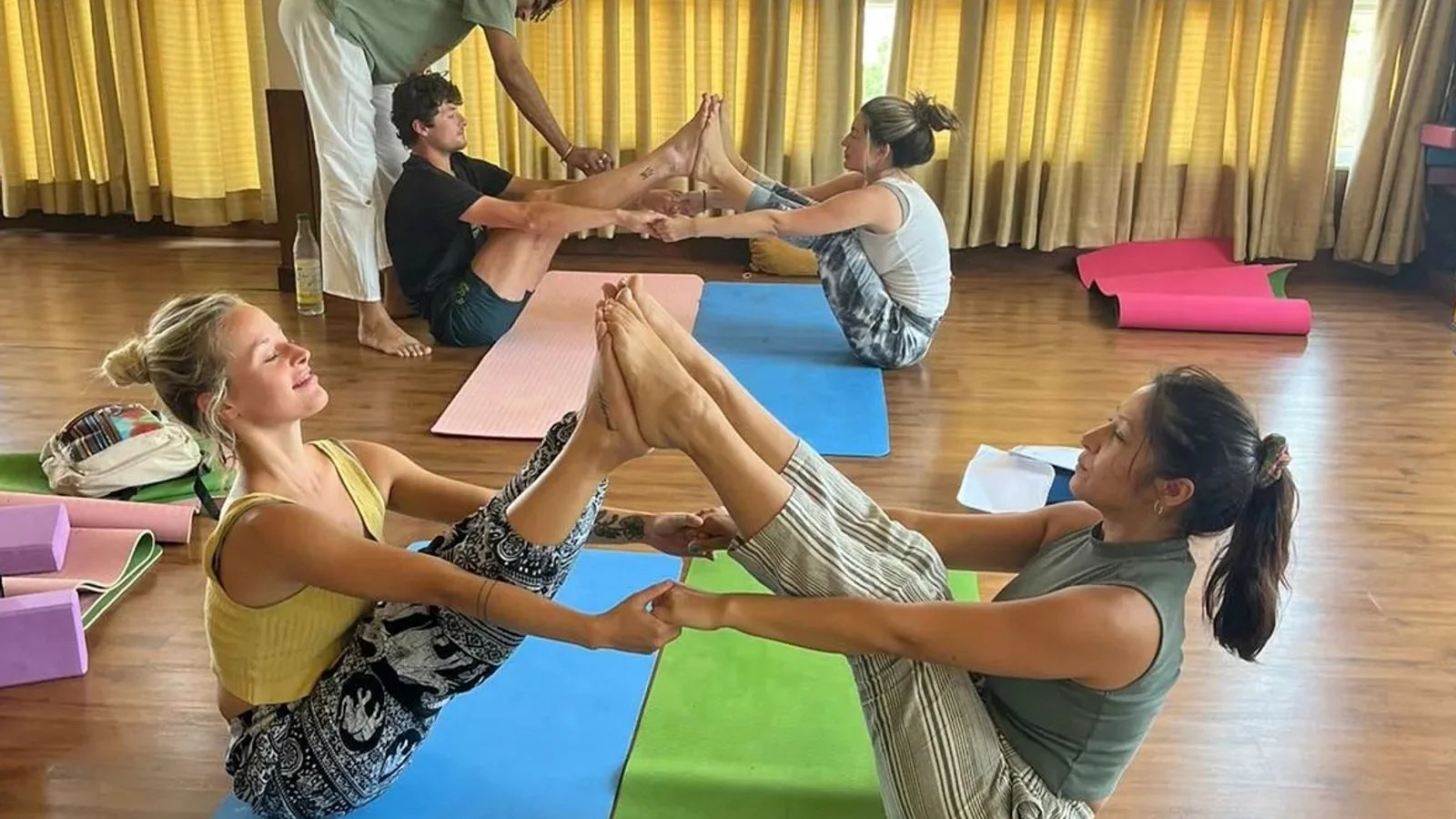
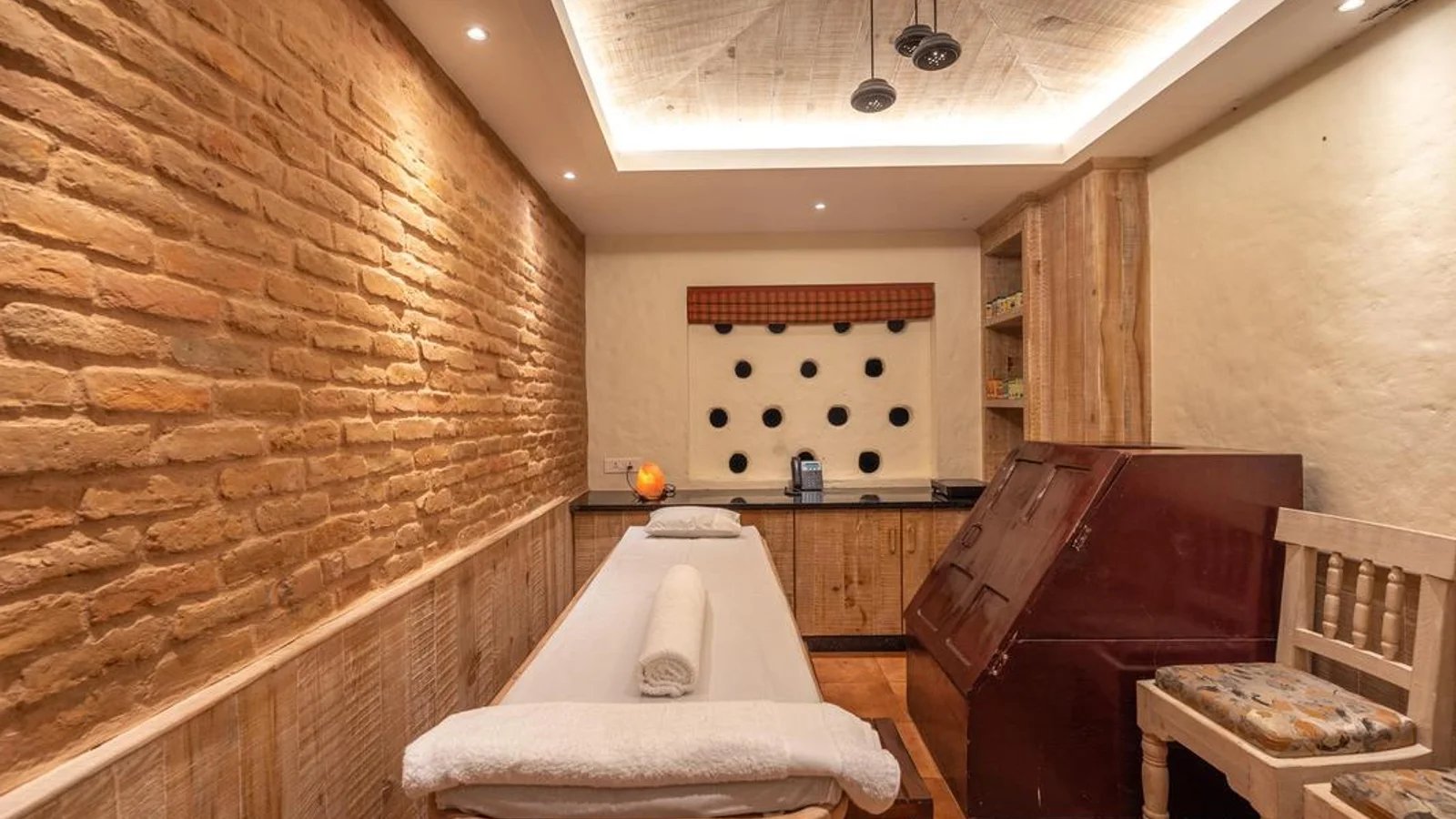
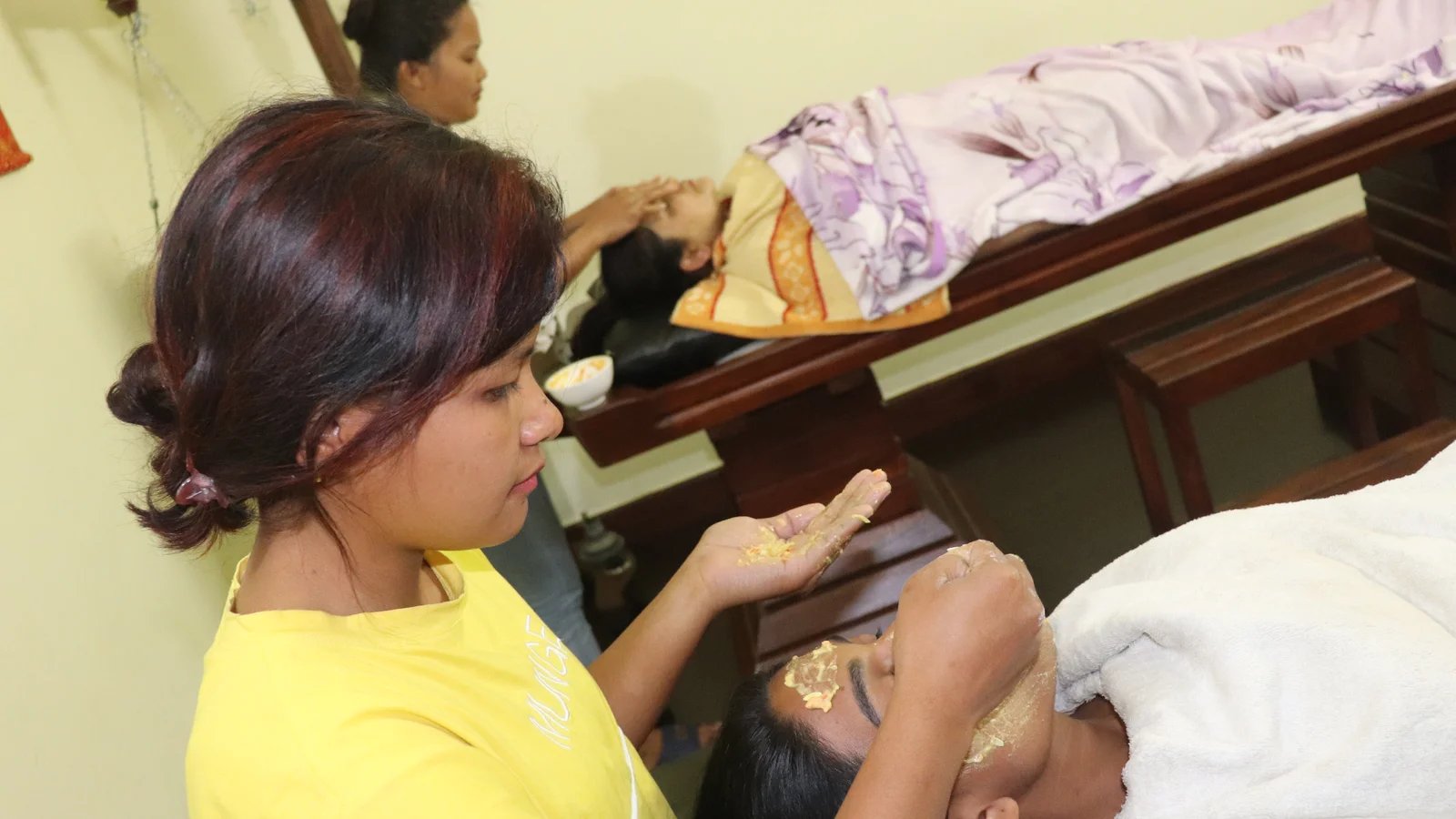
"Ayurveda Therapist Training in Nepal"
Program Overview
Ayurveda literally means the science of life. But figuratively, it has been a lifestyle system. However, Ayurveda, besides being a guide to your lifestyle, is also a system of spirituality and bodily harmony, and unlike other lifestyle systems, it does not go into generalization. It is very much an individual approach to healing and also maintaining wellness.


Highlights
- Certificate of completion
- Prakriti and vikriti
- Panchakarma training
- Ayurvedic massages and oil mixing for optimum massages
- Full Ayurvedic energy center (marma) training
- Ayurveda cooking and lifestyle training
- 28 nights accommodation
- Daily full-board meals during your training period
At a glance
Yoga styles
Facilities
Nepal Ayurveda Home has different types of accommodation, depending on price and interest. They offer deluxe rooms, private rooms, and shared rooms, which you can choose according to your interests. All rooms have an attached bathroom and air-conditioning. Hot water and Wi-Fi are available in every room as well.
Nepal Ayurveda Home will teach the very necessary parts of Ayurveda during this four-week Ayurveda training class. Ayurveda, up until recent times, remained unheard of, but as described in Ayurveda texts, the knowledge that resides in the Vedas remains unwithered even with the test of time.
Ayurveda survived the test of time (many other systems of knowledge didn't) and seems to be garnering more support from scientists as well as practitioners of herbal healing. As such, there is no better place to learn Ayurveda than in the region - the Himalayas - that preserved its knowledge.
Nepal Ayurveda Home has served as a pedestal for the advancement of Ayurveda in accordance with modern standards. At this four-week Ayurveda training class, you will combine the best of both worlds: the practice of Ayurveda and modern research.
For example, triphala (three fruits) has been shown to help promote good gut bacterial growth (it serves as a prebiotic). However, this knowledge has been known to the Ayurvedic practitioners since ancient times. Hence, the quote, “Don’t worry, Mother, so long as I have triphala.”
Go and be a part of this wonderful training that involves hands-on skills, Ayurveda checkup (marmas and pulse) and therapeutics, and a once-in-a-lifetime experience.
Highlights of this four-week Ayurveda training class:
- Prakriti and vikriti
- Panchakarma training
- Ayurvedic massages
- Oil mixing for optimum massages
- Full Ayurvedic energy center (marma) training
- Ayurveda cooking training
- Ayurveda lifestyle training
- Ayurvedic approach to yoga, pranayama, and meditation
- Ayurvedic herbs
- Ayurvedic tea
- Chakras and how to heal them according to Ayurveda
- Spinal care through Ayurveda
- Ayurveda relaxation training
- Ayurveda beauty training
- Doctor consultation
Ayurveda training curriculum
Nepal Ayurveda Home is a place for complete Ayurvedic medicine and lifestyle care. Be a part of this Ayurvedic family in a place that you can call your second home.
As a guide to such an individualistic principle of health, Ayurveda begins with analyzing “doshas.” These doshas are in varying proportions in individuals, delineating that these proportions serve as a guideline to various lifestyle approaches.
What will be taught in this training?
1. Prakriti and vikriti training
Prakriti and vikriti are the dichotomies that heavily influence Ayurveda. Prakriti means nature, the state of consciousness being in its utmost favorable state, while vikriti is when nature becomes altered.
Vikriti does not necessarily have to mean something that is bad. Rather, It means that the body was altered from nature when it was exposed to the environment.
A consistent trial of Ayurvedic practitioners is to try and bring the vikriti back to prakriti, and this endeavor is what Ayurveda provides its teachings on. As such, prakriti and vikriti are intricate subjects. Get all the concepts elaborated exclusively at Nepal Ayurveda Home.
2. Panchakarma training
Panchakarma is an Ayurveda procedure that, in its heart, is very therapeutic. For such therapeutics, the whole process employs various methods - casually classified into pre-detox, detox, and post-detox.
This makes Ayurveda very unique in its process of therapeutics. It not only looks at the disease at hand, but also pays close attention to the body, mind, and soul holistically. So even for similar diseases, the therapeutics employed may differ from person to person.
The pre-detox involves getting your metabolism in a healthy state, such that it can take the full brunt of detox, and the body doesn’t grow too weak post-detox.
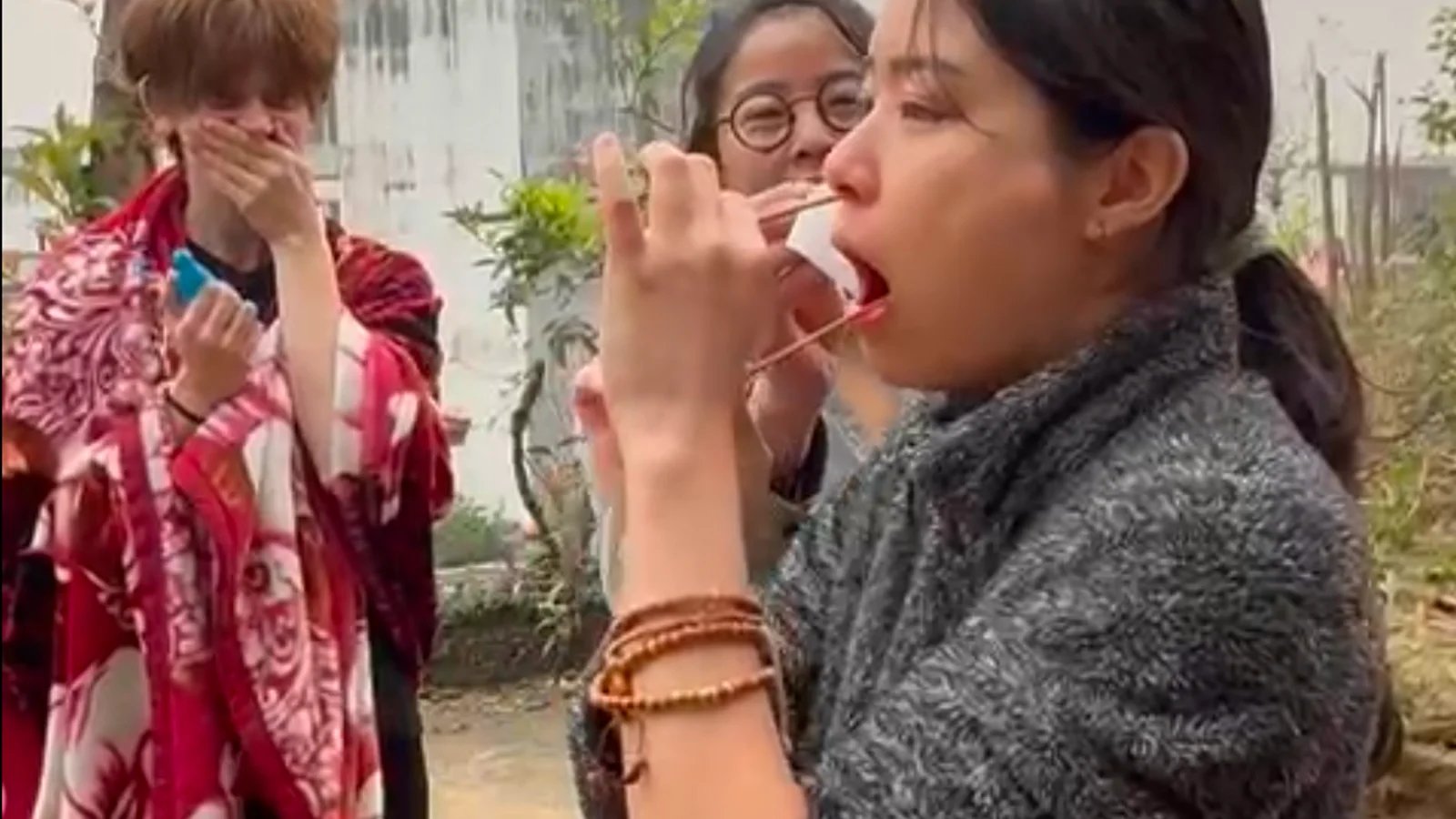
The detox also differs on the afflictions of different doshas. An affliction involving vata would get an enema; pitta would get purgation; and that involving kapha gets emesis. Head detox involves nasya, a unique process of putting oil in the nose. This is a detox of head and the throat.
The post-detox is all about food. In it, Nepal Ayurveda Home will prepare khitchari. It is a special mono-diet that helps put the body back in shape after the detox.
Learn each and every subtle aspect of panchakarma, including but not limited to: diagnostic aspects of dosha, pre-detox, detox, post-detox, and khitchari cooking during this four-week Ayurveda training at Nepal Yoga Home.
3. Ayurvedic massage (abhyanga)
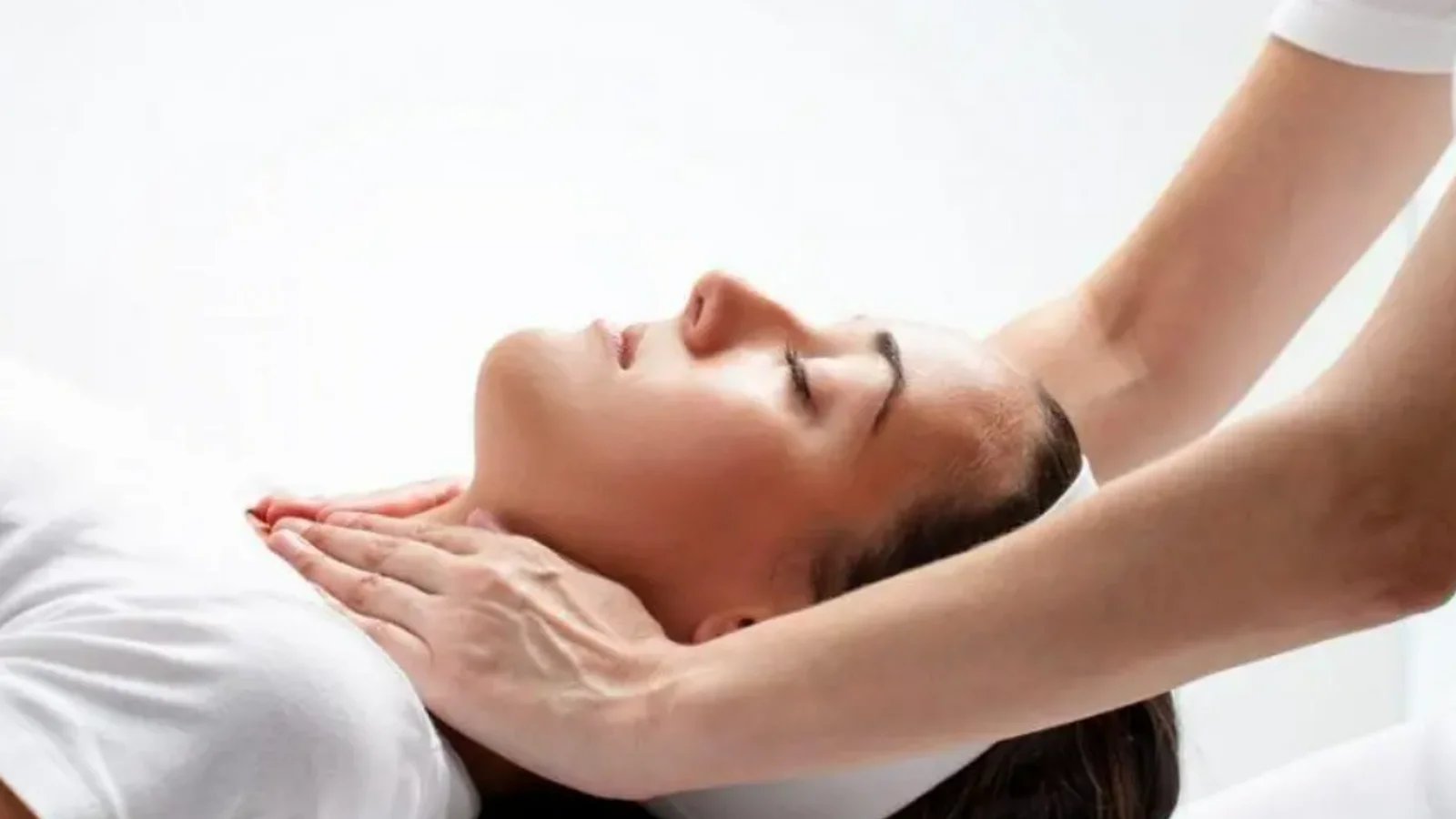
The Ayurvedic massage is a unique process wherein the practitioners uses therapeutic oils and powders to balance out the dosha. This will be taught in the Ayurvedic training class. For example, in winter, when kapha becomes aggravated, the seasonal oil to use is olive oil, combining this with special lubricating oil like almond oil.
Similarly, in summer, which is pitta season, combining coconut oil with sandalwood oil cools down the body and treats pitta. Also, a different oil can be used, depending on diseases, chakras, and body type. Painful areas can be rubbed with mahanarayana oil as it helps in pacifying vata and thus reducing pain.
Besides, there are esoteric forms of massages that are very specific to Ayurveda, and the indications of them are different, depending on the afflictions. “Sand massage,” “leaf bolus massage,” “rice bolus massage,” “salt bolus massage,” “powder massage,” and “seka massage” are some unique forms of Ayurvedic massage that can be employed on differing conditions.
Learn about these massages and their indications during this training at Nepal Ayurveda Home.
4. Marma training
Marma is one hundred and eight energy centers that are distributed in a specific location around the body (this is one of the reasons why you have to chant a mantra 108 times). Think of these like Ayurvedic acupressure points. Combining these marma points with pressure in massage techniques provides a recipe for therapeutics as well as relaxation.
Try one marma: sankha marma (the temple). Massage both of your temples circularly, first clockwise and then anti-clockwise. For a person without a headache, the massage of this marma provides deep relaxation, while for someone with a headache, this procedure immediately provides much relief from the headache.
Learn about these vital 108 marmas exclusively at Nepal Ayurveda Home.
5. Ayurveda cooking and Ayurveda lifestyle training
The Ayurveda lifestyle and cooking are oriented around six tastes: sweet, sour, salty, bitter, astringent, and pungent. The best way to cook food is through incorporating all six tastes such that it not only stimulates your taste buds, but also so that the food balances the energetics of the body.
Similarly, for mental health, Ayurveda talks about satva, rajas, and tamas, and provides a guideline for psychological well-being. This unique style of classifying works on the energetics of the food - called guna - as well as the energetics of the body - is called dosha.
Learn about the proper way to manage and balance out these energetics in the body and the food, so as to achieve optimum health. This four-week Ayurveda training class will touch the surface of Ayurveda cooking (not all professional, but simple, healthy meals).
6. Ayurvedic herbs
There is a proper way of taking herbs. A BBC article published in 2016 talked about turmeric. The proper way of eating or supplementing turmeric is to combine it with something that is fatty. Fat increases its absorption.
When turmeric is taken plainly, it provides no additional benefits to the body. But when consumed with something fatty, it reduces the risk of cancer, is anti-inflammatory, and is also beneficial in allergies.
This knowledge, which has been in Ayurveda for thousands of years, seems to be lacking in the practitioners of herbal medicine. Similar things can be cited about other herbs such as triphala, liquorice, etc.
7. Chakra healing
The combination of the four chakra healing packages - shirodhara, chakra, kati, and greeva vasti - is unique at Nepal Ayurveda Home. Within these four of your most important chakra sites - the third eye, the throat, the navel, and the sacral - are healed. The positive energy transmitted along these four chakra sites is healing and replenishing.
Learn the techniques of vasti, shirodhara, and oil bath - used to stimulate chakras - exclusively during this four-week Ayurveda training at Nepal Ayurveda Home.
8. Spinal care
Combinations of marma massages with bolus massages, vasti (oil pool), and steam application, are very beneficial for localized spinal problems and are included in the training class.
Good back health is important for numerous reasons. Just to give you an example, a good back posture (commonly referred to as high power poses), have been shown to lower stress hormones like cortisol and increase beneficial hormones like testosterone. The spine is also considered as one of the chief organs of health in Ayurveda.
The spine is considered as the chief site of energy flow (shushumna), and a healthy spine leads to good health. Learn the therapeutics for simple mechanical back pain, busted disc, and more, exclusively at Nepal Ayurveda Home.
9. Ayurveda beauty training
A part of Ayurveda training class is facial and bodial (exclusive to Nepal Ayurveda Home). This is offered as a unique modality to cleanse your skin naturally. Firstly, they will provide special face packs and masks according to different body types. Also, the treatment of common skin problems involves exclusive herbs.
Treatment for vitiligo, eczema, and acne is done using a special combination of herbs that can be easily found in every household. As such, Ayurveda beauty care is cheap, chemical-free, and naturally healing to the skin. These practices enhance the three tenets of beauty: roopa, guna, and vayastyag.
10. Yoga, pranayama, and meditative practices according to your body type
With the mantra that “what heals you is the best yogic practice for you,” at Nepal Ayurveda Home, they have combined the knowledge and experience of some of the best yogis and Ayurvedic practitioners to formulate a yoga, pranayama, and mantra practice that is best for your body.
Be a part of this unique experience exclusively during the Ayurveda Training class at Nepal Ayurveda Home. There, you will not only get the ways around Ayurvedic retreat and herbalism, but also a place where you can receive the most care, lovingness, and attention to detail. Their doctors, staff, and cooks will ensure that what you receive is a class apart and is of the highest standards.
Schedule: Massage training with yoga:
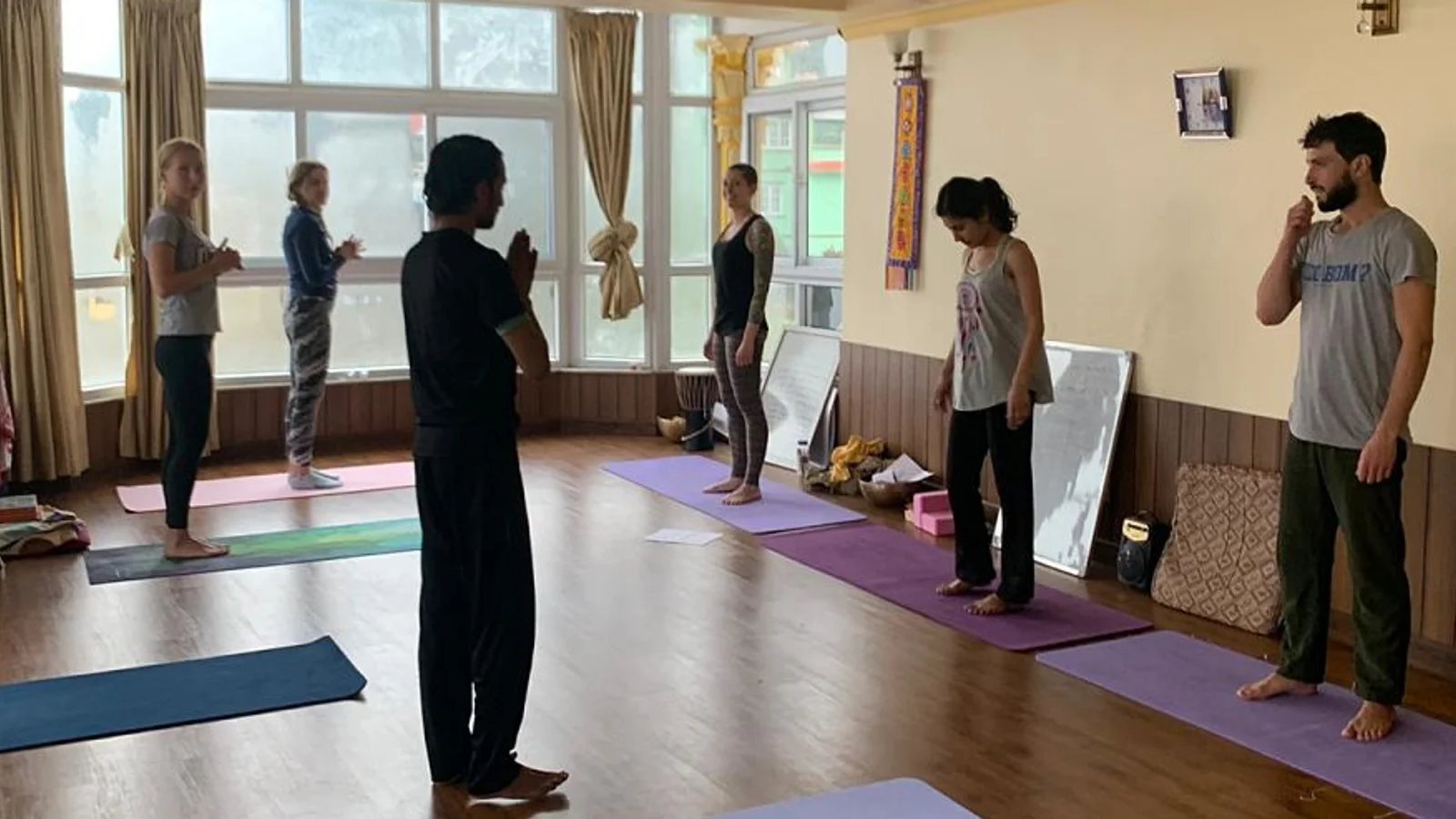
- 07:00 - 09:00 Yoga asana, breathing
- 09:00 Breakfast
- 2 hours of Ayurveda therapist training (Nepal Ayurveda Home will give you time later on arrival)
- 14:00 Lunch
- 16:15 - 16:15 Yoga asana class (extra bonus class that you can skip if you don't like it; otherwise you can go; sometimes, Nepal Ayurveda Home may keep therapy in this time as well)
- 17:45 Meditation
- 19:00 Dinner
A visit to the beautiful historic town nearby is definitely part of the programme, if you would like to join.
This Yoga Retreat is vegetarian-friendly
Cleansing and wholesome nutrition for your practiceDaily full-board meals will be provided during your training period.
The following meals are included:
- Breakfast
- Lunch
- Dinner
The following drinks are included:
- Water
- Tea
The following dietary requirement(s) are served and/or catered for:
- Vegetarian
- Vegan
- Gluten Free
- Organic
- Fruitarian
- Yogic
- Ayurvedic
If you have special dietary requirements it's a good idea to communicate it to the organizer when making a reservation.
- Certificate of completion
- Daily yoga and meditation lessons (except Sunday)
- Daily Ayurveda therapy training (except Sunday)
- 28 nights accommodation
- Daily full-board meals during your training period
- Tax and service charge
- Airfare
- Pick up and drop off service from the airport (10 USD)
- Hiking / trekking / rafting / mountain flight
- Laundry
- Personal expenses
- Sightseeing or sunrise trip
- Additional food if required
Beautiful and serene location in Kathmandu, carefully chosen to provide the perfect setting for your yoga journey.
Recommended Airports
Additional charges may apply. You can request this in the next step.
A reservation requires a deposit of 14% of the total price. The deposit is non-refundable, if the booking is cancelled. The rest of the payment should be paid on arrival.
- A reservation requires a deposit of 15% of the total price.
- The deposit is non-refundable, if the booking is cancelled.
- The rest of the payment should be paid on arrival.
Guest reviews
No reviews yet — be the first to share your experience.
Similar Retreats You Might Love
Explore other transformative experiences in Nepal

10 Day Yoga Retreat with AyurvedaTherapies on the Banks of Ganges River in Rishikesh, India
11 Day Yoga and Meditation Retreat in Rishikesh, India

15 Day Yoga and Meditation Weekend Retreat in Rishikesh, India
