
1 Month Ayurvedic Massage and Panchakarma Training with Yoga Retreat Experience in Kathmandu, Nepal
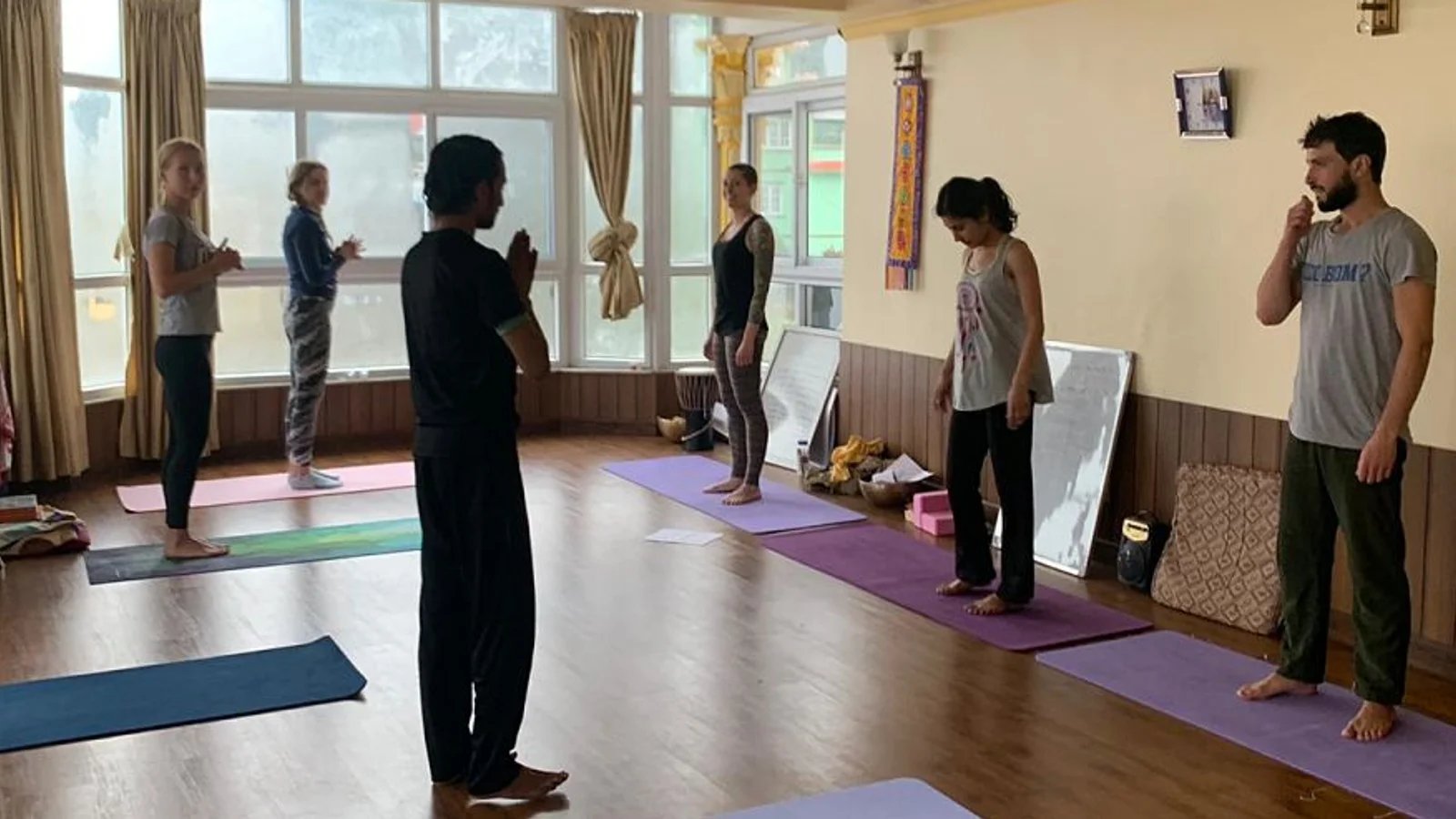
"Ayurveda and Panchakarma Course in Nepal"
Program Overview
Welcome to Nepal Ayurveda Home, a sanctuary of traditional healing, holistic wellness, and transformative learning. They are delighted to invite you to embark on a profound journey through their one-month massage and panchakarma training, where ancient Ayurvedic wisdom meets hands-on therapeutic practice. This panchakarma training is designed for you to learn panchakarma detoxification, Ayurvedic...


Highlights
- Certificate of completion
- Feel complete cleaning and purification, helping your body remove toxins and refresh
- Increase your energy levels as the Ayurvedic therapies balance and harmonize your body
- Be mentally and physically calm with heightened awareness and clearness
- Gain a profound knowledge of your body and mind
- Holistic environment for learning and personal transformation
- 28 nights accommodation
- Daily full-board meals during your training period
At a glance
Facilities
Nepal Ayurveda Home has different types of accommodation, depending on price and interest. They offer deluxe rooms, private rooms, and shared rooms, which you can choose according to your interests. All rooms have an attached bathroom and air-conditioning. Hot water and Wi-Fi are available in every room as well.
Whether you are a practitioner, a wellness enthusiast, or simply someone eager to learn the time-tested methods of Ayurveda, this course offers a life-changing experience that blends knowledge, self-healing, and professional healing.
At Nepal Ayurveda Home, they believe in the power of Ayurveda as a complete science of life that has been practiced for over 5,000 years.
Ayurveda means the science of life. It is more than just a healing system. It is a philosophy that guides people toward a balanced and harmonious existence. It teaches that health is not merely the absence of disease, but a state of complete physical, mental, and spiritual well-being.
This panchakarma training in Nepal is rooted in this philosophy, offering a structured yet deeply experiential approach to Ayurvedic detoxification and rejuvenation.
This course is carefully designed to provide a comprehensive understanding of panchakrama, the ultimate Ayurvedic purification therapy. It is a five-step detoxification process that eliminates deep-seated toxins from the body, restores balance to the doshas (vata, pitta, and kapha), and rejuvenates the entire system.
In addition to panchakarma training, this program incorporates a variety of Ayurvedic massage techniques and specialized therapies that promote healing, relaxation, and overall well-being. Throughout this training, you will not only gain theoretical knowledge, but also develop hands-on expertise through guided practical sessions.
The panchakarma training program will be conducted by experienced Ayurvedic therapists and nurses who bring years of wisdom and practice into their healing. Under their expert guidance, you will learn the intricate details of Ayurvedic therapies, including abhyanga (full-body oil massage), shirodhara (oil pulling therapy), basti (medicated enema), nasya (nasal cleansing), and many more.
You will also explore the significance of diet, lifestyle modifications, and herbal remedies in supporting detoxification and maintaining long-term health.
Beyond learning the techniques, this training is an opportunity for self-exploration and transformation. Ayurveda teaches that healing begins from within, and as you immerse yourself in this ancient knowledge, you will experience its profound effects on your own body and mind.
The serene setting at Nepal Ayurveda Home, surrounded by the peaceful energy of nature, provides the perfect space for deep learning, self-care, and rejuvenation. They welcome you to join them on this enriching journey, wherein tradition and practice of panchakarma training come together to create a holistic path to health and wellness.
This training is more than just a course. It is a gateway to a healthier, more balanced, and fulfilling life. Get ready to embrace the wisdom of Ayurvedic panchakarma, deepen your practice, and step into a world of healing and transformation. Nepal Ayurveda Home is looking forward to guiding you on this incredible path of learning and self-discovery.
How you will feel during this panchakarma training
Spending a month on massage and panchakarma training at Nepal Ayurveda Home is an introspective and revitalizing experience. Through the course, trainees will undergo theoretical and practical education that will equip them with a greater understanding of Ayurvedic panchakarma detoxification and treatment procedures.
During training:
- You will feel complete cleaning and purification, helping your body remove toxins and refresh.
- Your energy levels will be increased as the Ayurvedic therapies balance and harmonize your body.
- You will be mentally and physically calm, with heightened awareness and clearness.
The serene ambience of Nepal Ayurveda Home, combined with yoga and meditation, will create a holistic environment for leaning and personal transformation.
By practicing on yourself and others, you will gain a profound knowledge of your body and mind, as well as be in a better position to heal your body. Not only will you learn technical skills by the time you finish your program, but you will also have an inner peace and feeling of well-being during this panchakarma training.
Why Nepal Ayurveda Home for panchakarma training?
Nepal Ayurveda Home is the most authentic and integrated educational center for learning Ayurveda and panchakarma. Here are some of the reasons why you should choose them:
- Original Ayurvedic education: Their course is heavily rooted in the classical concepts of Ayurveda, giving an unadulterated and holistic learning experience.
- Qualified teachers: Learn from veteran Ayurvedic physicians, therapists, and yoga experts with decades of experience and firsthand knowledge.
- Peaceful study ambience: Situated in the midst of Nepal’s natural landscape, the center provides a peaceful and serene ambience for study and practice.
- Balanced syllabus: They offer a balanced syllabus covering all areas of panchakarma training, massage therapy techniques, and therapeutic applications.
- Practical training: This course offers extensive practical training, providing students with hands-on-experience in the application of Ayurvedic treatment.
- Personal attention: They maintain small batch sizes to ensure personal guidance and mentorship to each student.
- Career advancements and certifications: Their certification provides a platform for career growth in Ayurveda and wellness globally.
Yoga and meditation for the perfect impact of panchakarma in the body
Panchakarma is an intense detoxification treatment that clears deep-seated toxins and balances the body. To realize its maximum potential, however, the addition of yoga and meditation is required.
- Yoga postures (asanas): Some yoga asanas enhance circulation, activate digestion, and enhance the process of detox.
- Pranayama (breathwork): Pranayama practices help oxygenate the body, clear out toxins, and balance the nervous system.
- Mindfulness and meditation: These help in mental detoxification, clearing emotional blockages, and relieving stress.
- Self-management of stress and relaxation: Yoga Nidra and guided relaxation help in deep healing and rejuvenation after panchakarma treatments.
Through the consistent practice of yoga and meditation, the efficacy of panchakarma treatments is increased, and health gains are maintained in the long term.
What will you learn?
Taking a one-month massage and panchakarma training course at Nepal Ayurveda Home offers an in-depth learning and experience into Ayurveda’s age-old philosophy and its life-changing therapeutic methodology. This is a course designed to impart candidates a multidisciplinary command of Ayurvedic cleansing, massage therapy, and specialized curative techniques.
Through the course of study, students will both learn theoretical concepts and practical insights in Ayurveda’s all-encompassing system of natural healing, such that they become capable of either applying skills in personal health or for professional purposes.
The foundation for the education is laid with a comprehensive survey of Ayurveda and panchakarma philosophy.
Ayurveda, a science of over 5,000 years’ practice, is based on the principle that health is achieved by balance in the spirit, mind, and body. The three doshas - vata, pitta, and kapha - maintain this equilibrium by controlling processes in the body and constituting an individual’s constitution.
Students will learn the significance of the doshas, how they influence one’s health, behavior, and response to treatments.
The panchakarma training course covers the use of the five-fold Ayurvedic detox therapy in cleaning, rejuvenating, and restoring balance to the body. The core of the panchakarma training is acquiring the skill of mastering the five primary panchakarma treatments, each for detoxifying the body at a deeper level.
Vamana (therapeutic emesis) is a detoxification process that removes toxins from the upper digestive system, and it most benefits individuals suffering from kapha imbalance.
Virechana (therapeutic purgation) is a regulated purgation to cleanse the live intestines and other gut organs, actually balancing excess pitta. Basti (enema therapy) is the best treatment for vata disorders, employing medicated oils and herbal decoctions to nourish and cleanse the colon.
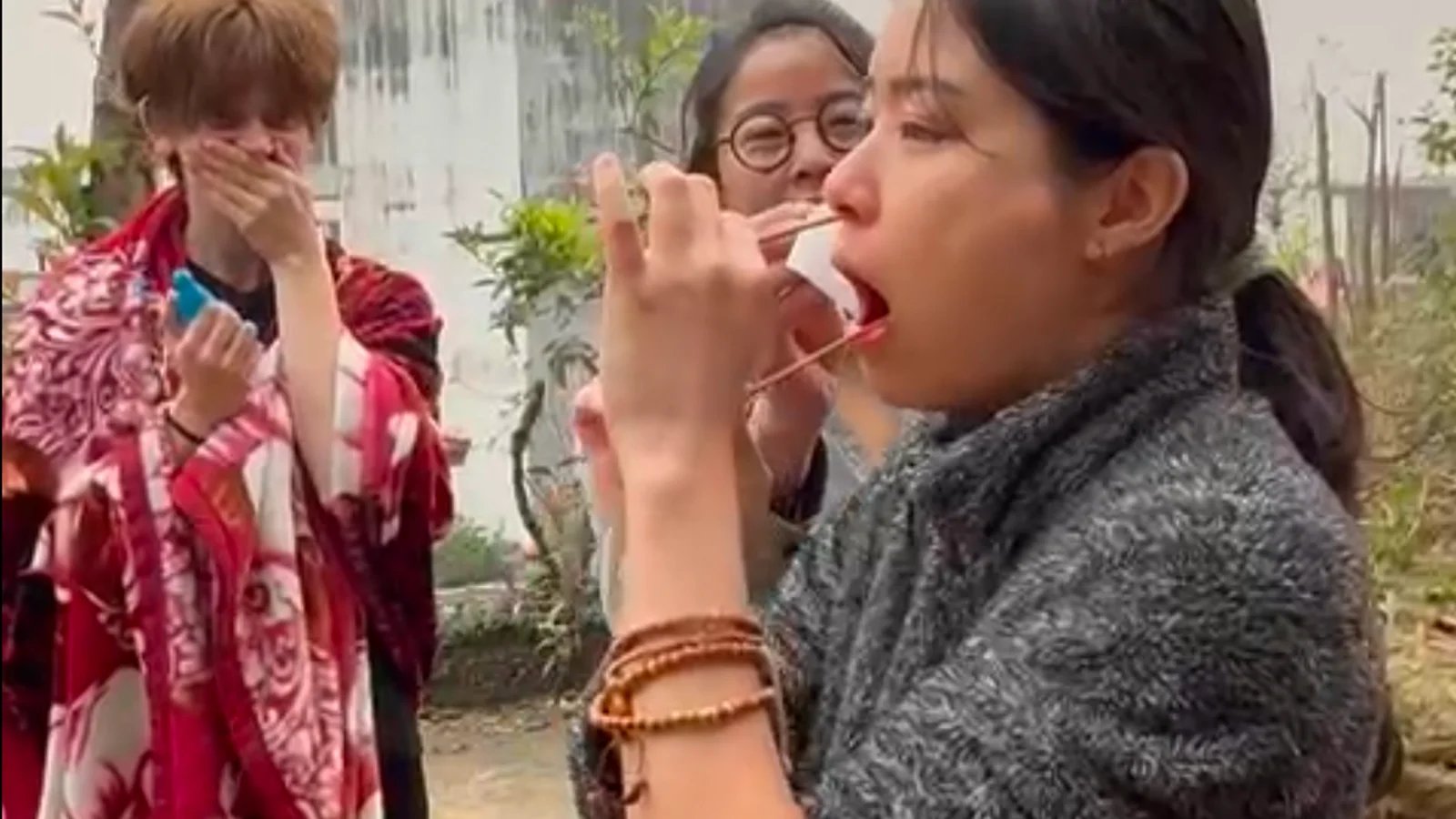
Nasya (nasal cleansing) is a method of cleansing the head and sinus region by introducing medicated oils into the nasal passage, enhancing respiratory and neurological function.
Training in preparation of the body for panchakarma also includes extensive study of preparatory treatments, known as poorva karma. These initial steps are extremely crucial in conditioning the body to receive intensive detoxification. Snehana (oleation) is the application of medicated oils internally and externally to oil the body and aid the movement of toxins.
Swedana (sudation) comes next, employing a number of steam and heat treatments to open up the channels and enhance toxin removal through sweat. A knowledge of these preparatory techniques is crucial in order to optimize the effectiveness of panchakarma and avoid any unwanted effects during detoxification.
No less important than the Ayurvedic cleansing is post-therapeutic treatment, or paschat karma, which restores and maintains the benefits of detoxification. Students will learn to guide clients in the process of gradually reintroducing foods and activities after panchakarma, so that the body remains in a state of balance.
Philosophy of rasayana (rejuvenation therapy) will be comprehensively examined, wherein the processes by which each herb, food, and mode-of-life intervention will contribute to augmenting vitality, enhancing immunity, and prolonging the benefits of the treatment are brought out.
By incorporating all these after-treatment methods into their practice, students will become equipped to provide holistic care towards maintaining health and well-being.
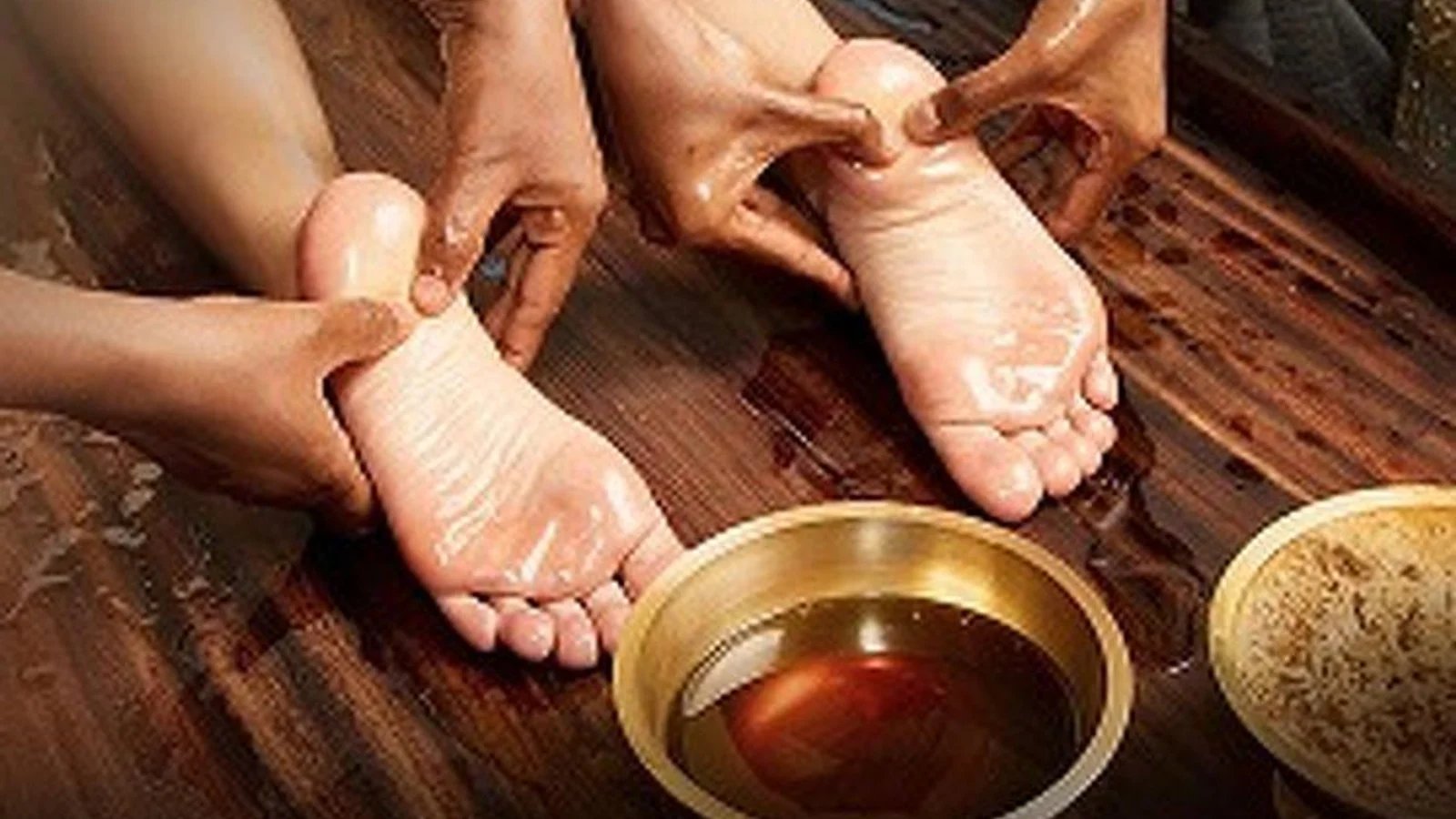
Ayurvedic massage is likewise an integral portion of the program, as this enhances panchakarma as well as provides overall healing. All these procedures will offer practical training in abhyanga, which is an oil massage of the entire body to aid circulation, lubricate the tissues, and facilitate the expulsion of toxins.
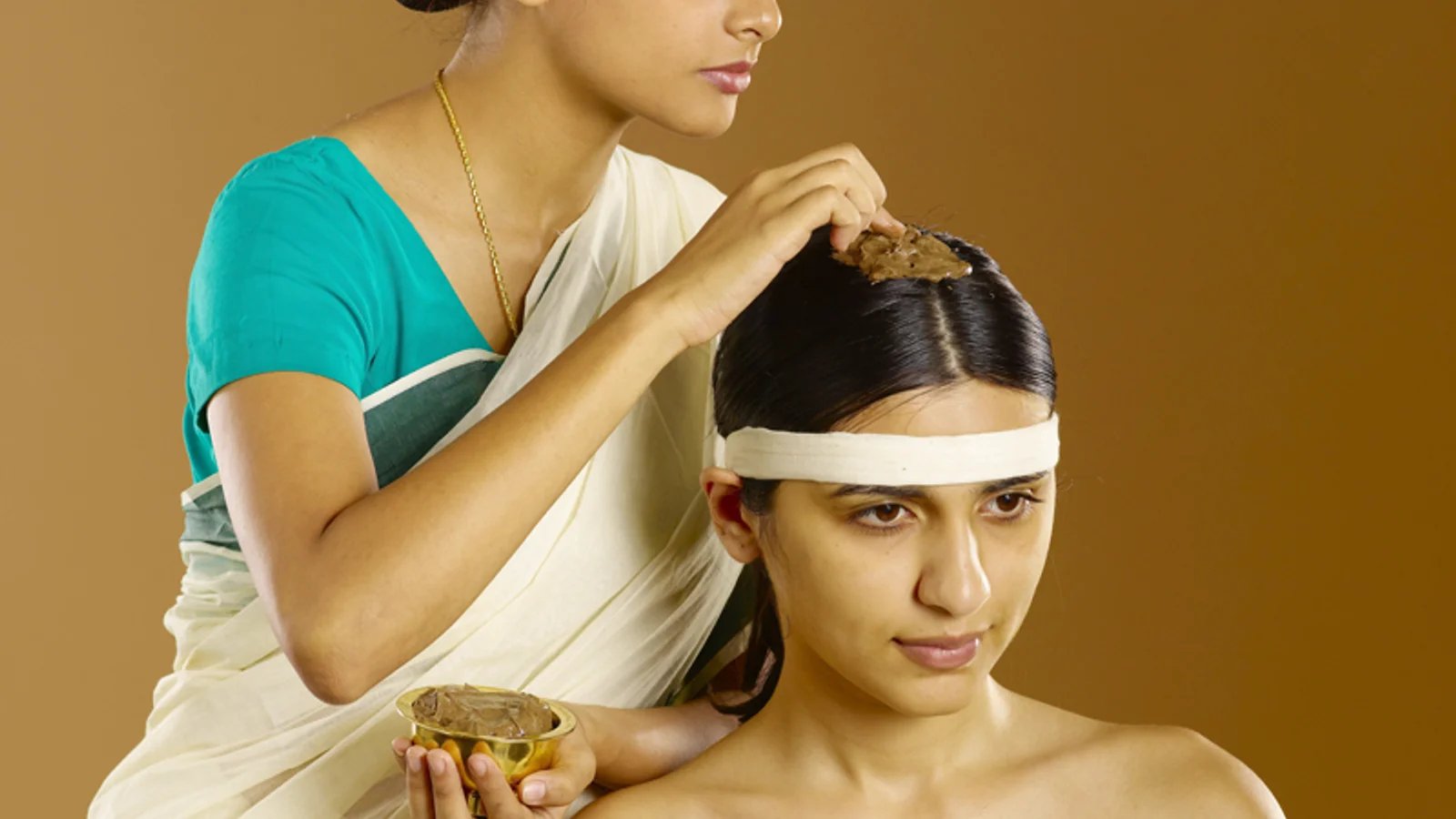
Shirodhara, or the flowing of warm medicated oil in a thin trickle over the forehead, will be introduced as a method for deep relaxation and mental clarity.
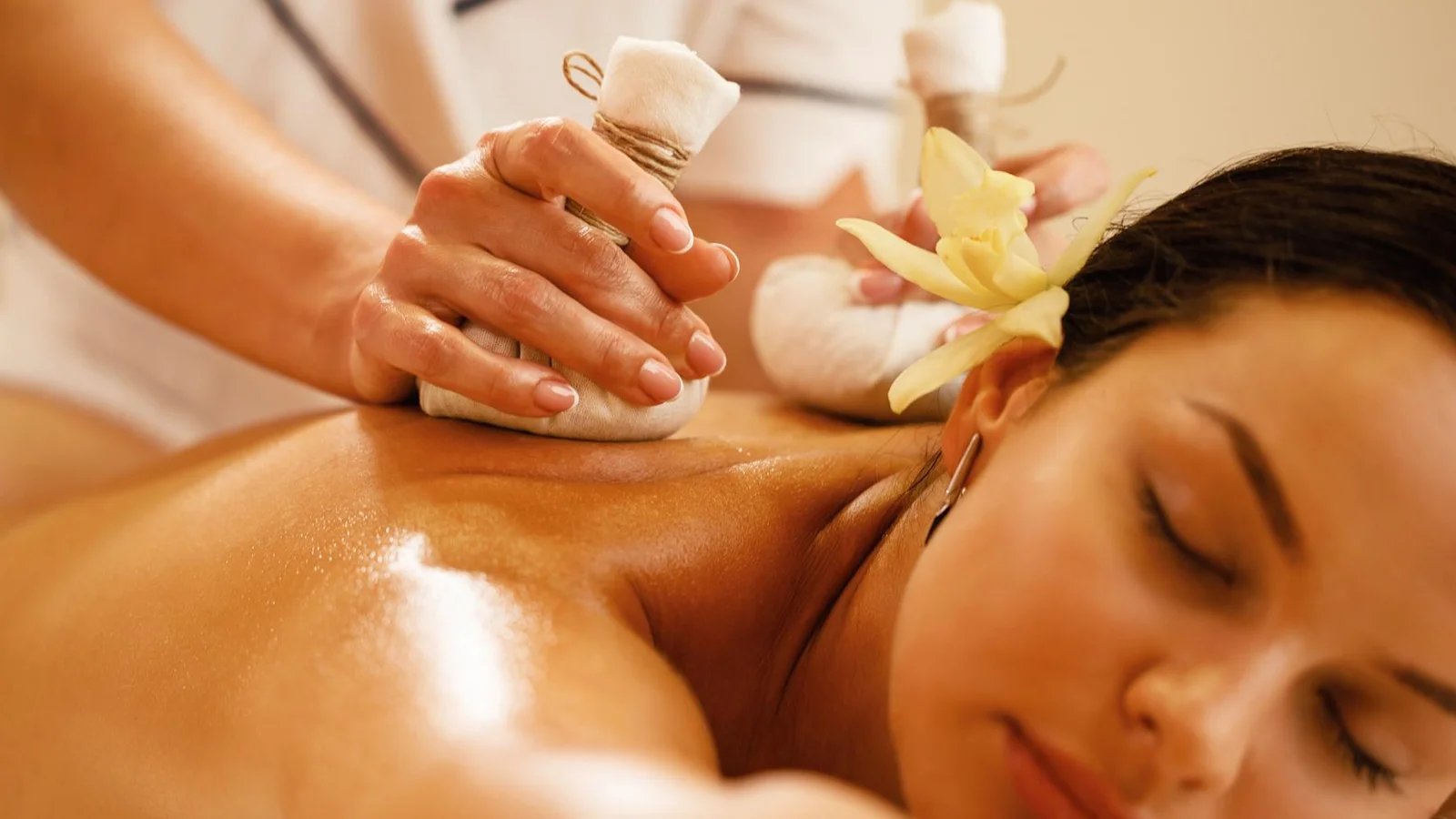
Pinda sweda, or herbal bolus massage, will be employed as an extremely successful therapy to relieve muscle spasm and arthritic pain. Apart from this, the marma therapy, including the stimulation of vital energy points all over the body, will be taught so that students will become aware of how to unlock channelized flow of energy and improve all-around well-being.
Special therapies based on Ayurveda about increasing the awareness of students about different health conditions will also be taught.
Kati basti, a self-help treatment for lower backache, is the application of warm medicated oil in a dough ring over the lumbar region to relax spasms and to feed the spinal tissues. Netra Basti, an eye treatment, is intended to restore vision and to bring to an end dryness, strain, or fatigue by immersing the eyes in herbal ghee.
Udwarthana, or herbal powder massage, is offered as a powerful method of losing weight and improving lymphatic circulation.
These treatments are highly effective for chronic diseases and are well worth it to any Ayurveda practitioner.
An excellent grounding in anatomy and physiology is essential to effectively and safely implement Ayurvedic treatments. The training includes a specialized unit on human anatomy, such as the musculoskeletal and nervous systems.
From this, students will have an understanding of how Ayurvedic treatments work with the internal functions of the body and how massage and panchakarma influence physical and physiological health. This grounding allows students to have a scientific perspective on holistic healing.
Another critical component of the training is client consultation and tailoring, wherein students will learn the art of assessing an individual’s needs from dosha imbalances and medical history. This is a vital skill for creating customized treatment plans for specific health concerns.
The ability to customize therapies for each client optimizes the effectiveness of treatment and fosters trust between practitioner and recipient.
Students will be instructed on identifying circumstances under which some therapies cannot be performed and how to provide safety precautions. Adhering to these professional and ethical values, the students will be well-equipped to provide top-class quality care wherever they are practicing.
Practical training is part of this course in its fundamental nature, so that people obtain their first-hand experiences regarding everything related to panchakarma as well as massage therapy.
Sanitation, safety, and awareness of contraindications are the keys to caring for clients within a therapeutic setting. The course also includes training on the best treatment practices for hygiene and sanitation procedures in treatment spaces.
With excellent supervision by faculty, you will perform practices learned to develop skill proficiency through experience itself. This integrative experience is what will allow you to become confident and skilled in giving authentic Ayurvedic therapies.
Students, having finished the program, will better understand the ideas and techniques of Ayurveda, and thus qualify for holistic health, wellness coaching, or Ayurvedic therapy careers.
The one-month panchakarma training course at Nepal Ayurveda Home is not just an educational program, but a journey of discovery into the world of ancient healing arts. Attendees will not only gain useful skills, but also personal development and rejuvenation.
Whether for personal healing or for professional application, this training is a unique opportunity to learn from seasoned mentors, connect with like-minded individuals, and dive into a holistic perspective of health and wellness. When students finish the training, they will be knowledgeable and skilled practitioners, ready to share the wisdom of Ayurveda with the world.
Thai massage: A necessity for the course:
Thai massage, or nuad bo-rarn, is an ancient art of healing that is rooted in Thai medicine. It combines acupressure, assisted yoga postures, and line work of energy to promote physical, mental, and spiritual health.
This module is aimed at empowering students with complete knowledge of Thai massage techniques, their theoretical foundations, and their practical applications. By including Thai massage in the curriculum, Nepal Yoga Home ensures that students will gain a holistic set of skills in healing modalities.
Theoretical foundations of Thai massage:
The Thai massage modules begin by analyzing its historical and philosophical roots. Students will learn about the origins of Thai massage, which was derived from Ayurveda, Traditional Chinese Medicine (TCM), and Buddhist philosophy.
The practice is based on the theory of sen line or passage of energy, which is comparable to the meridians in TCM and the nadis in Ayurveda. These energy lines are reported to direct life force energy (prana or qi) along the body, and where there is obstruction in these channels, one may feel physical and emotional imbalance.
The lessons cover the 10 major sen lines, where they are located, and what function they serve in Thai massage therapy. Students will discover how massaging these energy lines with rhythmic pressure and stretching motions assists in bringing about equilibrium, circulation, and overall well-being.
The theory segment also covers the four states of divine abode (brahma viharas) of Buddhism - loving kindness, compassion, empathetic joy, and equanimity - on which the ethical foundation of Thai massage practice is based. This philosophical ground enables people to accept Thai massage with mindfulness, respect, and healing intention.
Practical training in Ayurveda massage techniques:
The Ayurveda massage training aims for you to acquire hands-on experience in applying the techniques effectively and safely. Students will learn how to perform a full-body sequence of Ayurveda massage, which includes:
Preparation and setting the intention:
Students will be taught how to create a peaceful and consecrated space for the massage therapy sessions. This includes proper client positioning, utilization of supportive devices like cushions and mats, and setting of a healing intention through mindfulness and breathing.
Body mechanics and practitioner posture:
Ayurveda massage is performed with Ayurveda oil and herbs. You will learn how to apply hand pressure, and stretches will be taught by the therapist using their hands, fist, thumbs, elbows, knees, etc. Students will also be instructed on good body mechanics to make them comfortable and injury-free as therapists.
Palming and thumbing technique:
These fundamental techniques involve the use of palms and thumbs to exert uniform pressure. Changing intensity and rhythm of pressure to suit the client’s comfort and needs will be mastered by students.
Assisted yoga stretches:
You will learn some stretching that can be used in Ayurveda massage. The training also includes a series of assisted yoga poses that will help enhance flexibility, tension release, and energy flow. The students will learn to guide clients into leg, hip, back, shoulder, and neck stretches using their hands and feet to assist and deepen the stretch.
Acupressure and energy line work:
The students will learn specific acupressure points and how to stimulate them to release blockages and restore energy flow. The students will practice locating these points exactly and applying pressure in a control setting.
Sequence and flow:
One of the key aspects of Ayurveda massage is the fluid movement from one technique to the next, leading to a healing and meditative experience for the client. Students will be taught to move hands smoothly from stretches, hitting, beating, rubbing, patting, and pressing to create deep relaxation techniques to maintain a harmonious rhythm throughout the treatment.
Specialized Ayurveda therapists:
In addition to the standard full-body Ayurveda massage, the course will also introduce students to specialized therapists that focus on specific health concerns and how to apply Ayurveda oil and herbs.
Ayurveda massage integrates with reflexology. This massage works on the feet, the palms, and some parts of the spine. Students will learn to press on the reflex areas on the feet and hands to stimulate healing and balance in the corresponding organs and systems.
The herbal oil and herbal compress massage:
This therapy combines Ayurveda massage concepts with the use of warm herbal compress. The compress is filled with aromatic herbs like lemongrass, ginger, and turmeric, which release healing energies when heated. Students will be taught to place the compress on the body to relieve muscular tension, inflammation, and induce relaxation.
Ayurvedic abdominal massage
This sophisticated method is focused on the abdomen to stimulate digestion, relax constipation, and balance the internal organs. Students will learn how to apply gentle yet effective means of stimulating the abdominal area and promote general health.
Integration and Ayurvedic principles during this panchakarma training
Ayurveda massage will be skillfully integrated into the Ayurvedic principles that the students will learn. Students will be instructed on how the Ayurvedic nadis and chakras can be stimulated. The training will also give the knowledge of how Ayurveda massage is similar to other massage techniques.
Treatments like abhyanga (oil massage) and marma point therapy will be taught. The integration allows the students to adopt a holistic approach to healing through the integration of the best from each tradition.
Client assessment and customization
One of the key aspects of this Ayurveda massage and panchakarma training is how to assess a client’s needs and modify the session according to their needs. Students will be taught to identify areas of tension, energy blockages, and dosha imbalances, as well as modify the massage strokes accordingly to treat these conditions.
This ensures that every client gets the best possible and therapeutic treatment.
Ethical and professional practice
The module emphasizes the importance of ethical and professional conduct in Thai massage practice. The students will learn client boundaries, informed consent, and the importance of creating a safe and respectful setting. Special hygienic and sanitation procedures in Ayurveda massage will also be imparted to offer the highest level of care.
Practical application and supervision
This Ayurveda massage module is composed of sufficient practice sessions wherein students can apply what they have learned under the guidance of professional trainers. Such sessions provide an opportunity to learn skills, receive feedback, and become confident in performing Thai massage.
Students will be able to perform a complete Ayurveda massage session that is relaxation, healing, and balance-oriented at the conclusion of the module.
Why is there a need for panchakarma detox for healthy people?
Panchakarma is not only for the ill, but also for healthy individuals. Benefits are:
- Prevents disease by removing accumulated toxins
- Strengthens immunity and vitality
- Clarifies mind and stabilizes emotions
- Balances doshas, increasing the overall physiological functions
How does panchakarma work for health-related issues?
Panchakarma is an effective treatment for various health-related problems, such as:
- Gastrointestinal diseases (IBS, constipation, acidity)
- Chronic stress and anxiety
- Skin diseases (eczema, psoriasis)
- Joint pain and arthritis
- Hormonal imbalances
- Treatment for lifestyle diseases (obesity, diabetes) and many other non-communicable lifestyle-related diseases
Through scientific detoxification, panchakarma restores well-being and longevity, so it is an absolute practice to pursue well-being.
Including Ayurveda massage in this one-month panchakarma training and yoga retreat at Nepal Ayurveda Home brings value to the program by exposing students to a balanced and diversified skillset in holistic healing.
By learning the art of Ayurveda massage, students also gain the competency to integrate this ancient practice with Ayurvedic therapies, yielding a synergy that makes them even more effective holistic health practitioners.
Whether for self-growth or application in their respective profession, such training presents an exceptional platform on which one gets to uncover the wisdom in time-tested healing arts and give it to the world.
Join Nepal Ayurveda Home's one-month panchakarma training and massage course to begin a journey of healing, education, and restoration! They are looking forward to your warm welcome.
Schedule massage training with yoga:
- 07:00 - 09:00 Yoga asana, breathing
- 09:00 Breakfast
- 2 hours of panchakarma and Ayurvedic massage (Nepal Ayurveda Home will give the time later on arrival)
- 14:00 Lunch
- 16:15 - 17:15 Yoga asana class (extra bonus class that you can skip if you don't like it; otherwise, you can go; sometimes Nepal Ayurveda Home may keep therapy in this time as well)
- 17:45 Meditation
- 19:00 Dinner
A visit to the beautiful historic town nearby is definitely part of the programme, if you would like to join.
This Yoga Retreat is vegetarian-friendly
Cleansing and wholesome nutrition for your practiceDaily full-board meals will be provided during your training period.
The following meals are included:
- Breakfast
- Lunch
- Dinner
The following drinks are included:
- Water
- Tea
The following dietary requirement(s) are served and/or catered for:
- Vegetarian
- Vegan
- Gluten Free
- Fruitarian
- Yogic
- Ayurvedic
If you have special dietary requirements it's a good idea to communicate it to the organizer when making a reservation.
- Certificate of completion
- Daily yoga and meditation lessons (except Sunday)
- Daily panchakarma therapy learning (except Sunday)
- 28 nights accommodation
- Daily full-board meals during your training period
- Tax and service charge
- Airfare
- Pick up and drop off service from the airport (10 USD)
- Hiking / trekking / rafting / mountain flight
- Laundry
- Personal expenses
- Sightseeing or sunrise trip
- Additional food if required
Beautiful and serene location in Kathmandu, carefully chosen to provide the perfect setting for your yoga journey.
Recommended Airports
Additional charges may apply. You can request this in the next step.
A reservation requires a deposit of 14% of the total price. The deposit is non-refundable, if the booking is cancelled. The rest of the payment should be paid on arrival.
- A reservation requires a deposit of 15% of the total price.
- The deposit is non-refundable, if the booking is cancelled.
- The rest of the payment should be paid on arrival.
Guest reviews
No reviews yet — be the first to share your experience.
Similar Retreats You Might Love
Explore other transformative experiences in Nepal

10 Day Yoga Retreat with AyurvedaTherapies on the Banks of Ganges River in Rishikesh, India
11 Day Yoga and Meditation Retreat in Rishikesh, India

15 Day Yoga and Meditation Weekend Retreat in Rishikesh, India
